
Wedding Cake Shops in Beirut
Discover expert cake designers in Beirut. Explore French pastry styles and grand dummy cakes for your wedding reception.
Wedding Cakes in Beirut at a glance
38 wedding cakes
Showing 1-24 of 38 vendors
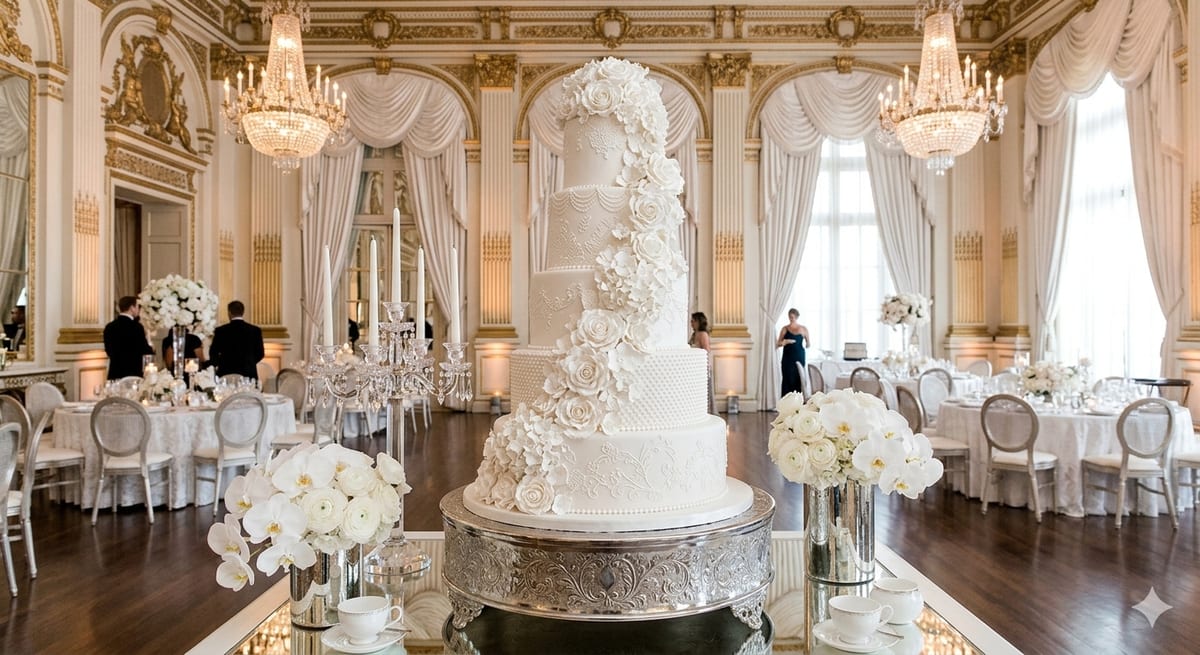
Bonbonniere Sweet & Bake
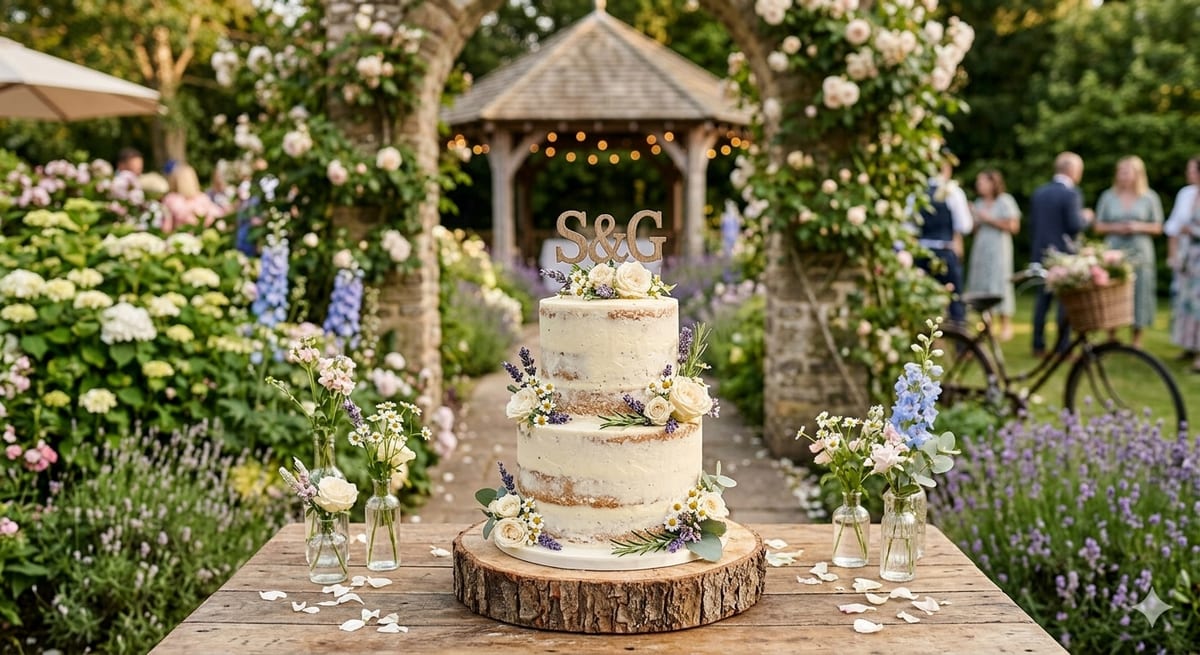
Magnolia Bakery Lebanon
Mony's Delight
Choco Creme
Blu Cakes
La Griotte
Get offers
Let Beirut's wedding cakes come to you
One request — we take it to the right vendors.
- Free for couples
- Two short steps, then a quick code
- Offers by email and WhatsApp
Crystal Chocolatier
Cakes & Cookies
T-Square Cakes
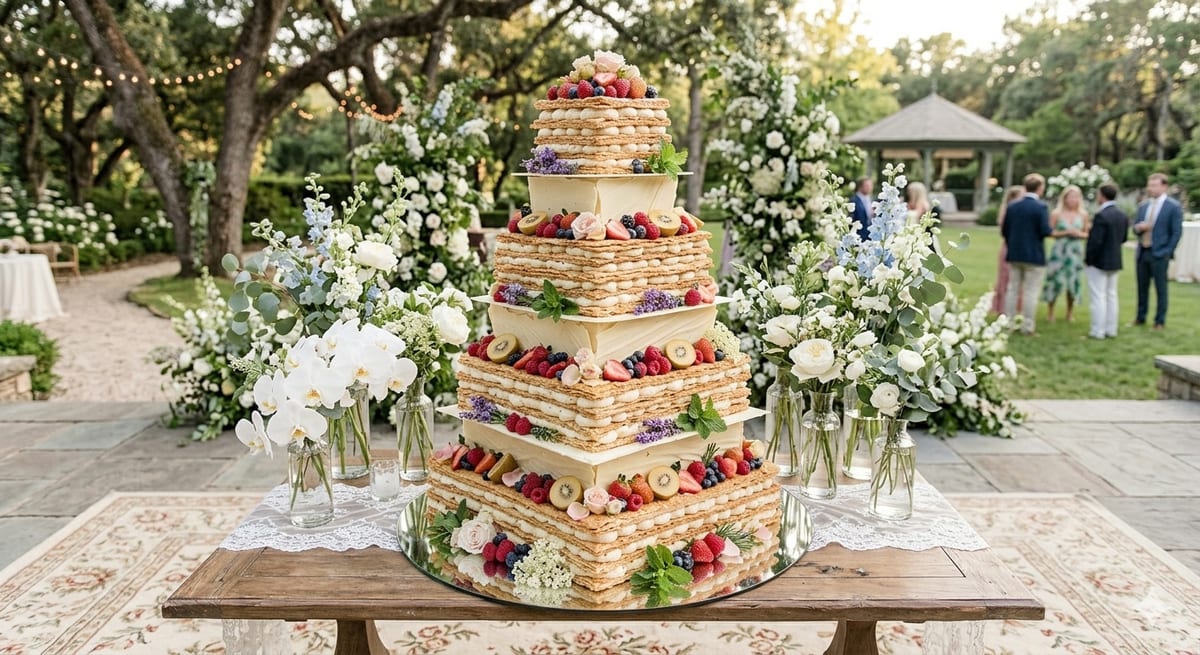
Nazira Catering
Brown Sugar Bakery
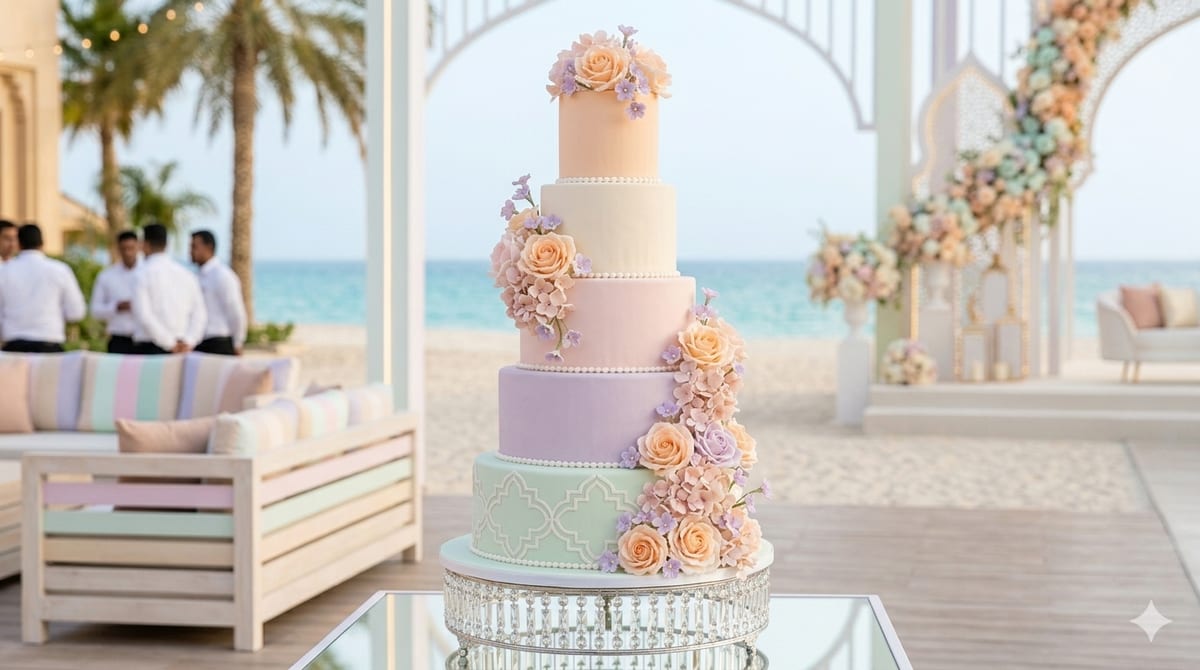
Carre Sucre Catering
Outdoor Catering
Gout Parisien
Cakes & Bites - Beirut
Chocolatine Cake
Le Gateau Cake
Carnaval
Cakyzana Cake
Patisserie Rodin
Patisserie Lolita
Little Cake
Le Fondant Patisserie
Fairytale Cakes
Wedding Cakes in other cities
In Beirut, the cake cutting is a grand spectacle, frequently featuring a ceremonial sword, sparklers, and the vibrant energy of a zaffeh performance. It serves as the visual centerpiece of your reception, demanding a creation that looks breathtaking and tastes incredible.
Local patisseries rely heavily on French pastry techniques, offering refined flavor profiles rather than traditional heavy fruitcakes. Whether you envision a towering masterpiece covered in flawless pâte à sucre or a modern design with intricate details, the city's talented cake designers can craft the exact pièce montée you have in mind. Explore our directory to browse portfolios, compare styles, and connect with professionals who understand the scale and elegance required for a spectacular Lebanese wedding.
The Grand Faux Gâteau Tradition
It is extremely common in Lebanon to use a grand, multi-tiered dummy cake, known as a faux gâteau, for the display and cutting photos. This approach allows you to achieve massive scale and visual impact without wasting food. The faux gâteau is typically made of styrofoam and beautifully covered in pâte à sucre, looking identical to a real baked creation.
While this towering structure commands attention on the dance floor, your guests are served from a pre-cut sheet cake kept in the kitchen. When designing a dummy cake, ensure your baker builds a real tier or a hidden slice into the structure so you can still capture the ceremonial cutting photos seamlessly. If you are coordinating with your Food & Beverage caterers, clarify who will handle the distribution of the sheet cake to your guests.
Flavors and French Pastry Techniques
Lebanese wedding cakes are heavily influenced by French pastry techniques, prioritizing light sponges, rich mousses, and sophisticated fillings. One of the most highly requested flavor profiles is croquant, a crunchy filling made of caramelized sugar and nuts, usually almonds or hazelnuts.
This texture contrasts beautifully with soft sponge and creamy fillings, offering a memorable dessert experience for your guests. Because the actual cake served to guests is kept fresh in the kitchen, your baker can focus entirely on flavor and moisture without worrying about the structural integrity of a massive stacked cake. Be sure to schedule your cake tasting and final design approval one to two months before the wedding date to secure your chosen flavors.
Logistics and Timelines for Beirut Weddings
For peak summer weddings between July and September, you should book your cake designer three to six months in advance. Top patisseries reach capacity quickly during the busy Lebanese wedding season. When finalizing your contract, discuss the logistics of delivery and setup. Refrigerated transport is absolutely crucial for summer weddings in humid coastal areas like Beirut, ensuring the icing and fillings remain stable.
If your venue is located in the mountains, such as in Keserwan, Metn, or Baabda, ask about additional delivery fees, as the distance and winding roads from coastal kitchens require extra care. Finally, confirm whether your baker provides the ceremonial cutting sword, or if you must arrange for one through your venue or your Wedding Planners in Beirut.
Frequently Asked Questions
How far in advance should I book my wedding cake in Beirut?
For peak summer weddings spanning from July to September, you should book your cake designer three to six months in advance. Top patisseries reach capacity quickly during the busy Lebanese wedding season. Securing your baker early ensures you have time to conceptualize the design, whether you want a towering pièce montée or a modern minimalist look. Your cake tasting and final design approval will then typically occur one to two months before the wedding date.
What is a faux gâteau and why is it popular?
A faux gâteau is a dummy cake made of styrofoam and covered in fondant, or pâte à sucre. It is incredibly popular in Lebanon because it allows couples to achieve a massive, grand scale for visual impact and photos without wasting food. A real tier or slice is usually built into the design for the ceremonial cutting, while guests are served from a separate sheet cake prepared in the kitchen.
What flavors are most common for Lebanese wedding cakes?
French pastry techniques and flavor profiles dominate the market, meaning traditional heavy fruitcakes are rarely used. One of the most highly requested flavors is croquant, a delicious crunchy filling made of caramelized sugar and nuts like almonds or hazelnuts. This is often paired with light sponges, rich chocolate ganache, or fruit mousses to provide a refined, memorable dessert experience for your reception guests.
Do cake designers provide the ceremonial cutting sword?
The cake cutting is a major focal point of the reception, often involving a ceremonial sword. Some cake designers provide the sword as part of their rental package, while others do not. You must ask your baker directly during the consultation. If they do not supply one, you will need to arrange for the sword through your venue or by coordinating with your Wedding Photographers in Beirut team to ensure they are ready for the big moment.
Are there extra delivery fees for mountain wedding venues?
Yes, there are often additional delivery and setup fees if your venue is located in mountain regions like Keserwan, Metn, or Baabda. Transporting a large pièce montée or even a faux gâteau requires careful navigation of winding roads from coastal kitchens. Furthermore, refrigerated transport is crucial during the summer months to protect the cake from melting, which can also factor into the final delivery costs.