
Wedding Catering in Lebanon
Discover top catering companies for your Lebanese wedding, from traditional mezze to interactive live stations.
Food & Beverage in Lebanon at a glance
127 vendors, 2 with Google reviews
More details
- Rating
- Top cities
Showing 1-24 of 127 vendors

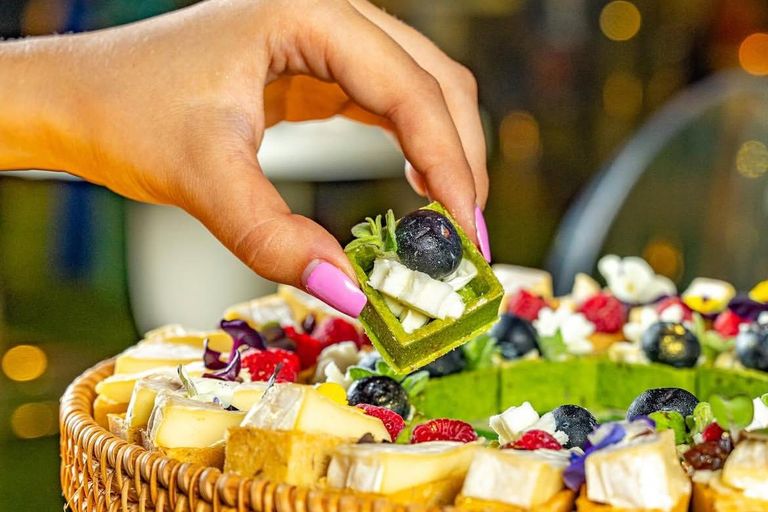
Darine's Catering
We bring the taste to your celebration with freshly baked food and a wonderful display setup.
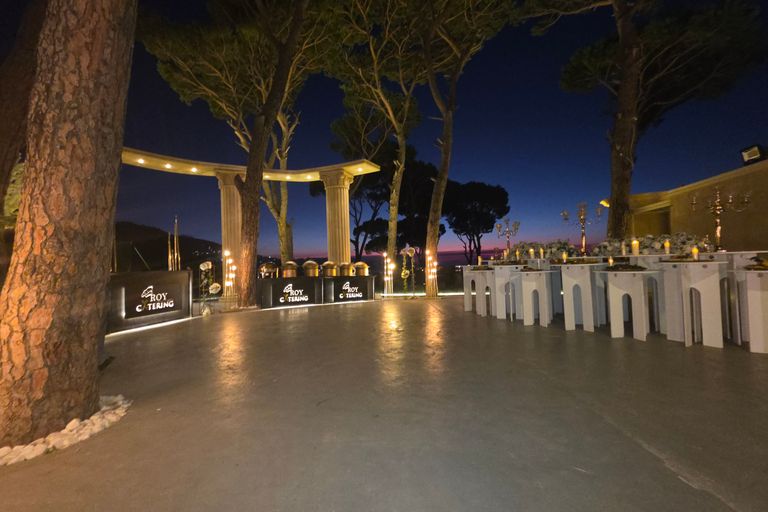
Alam Catering
50 Years of Culinary Excellence Fine Lebanese & Global Cuisine Weddings • Receptions • Private Events
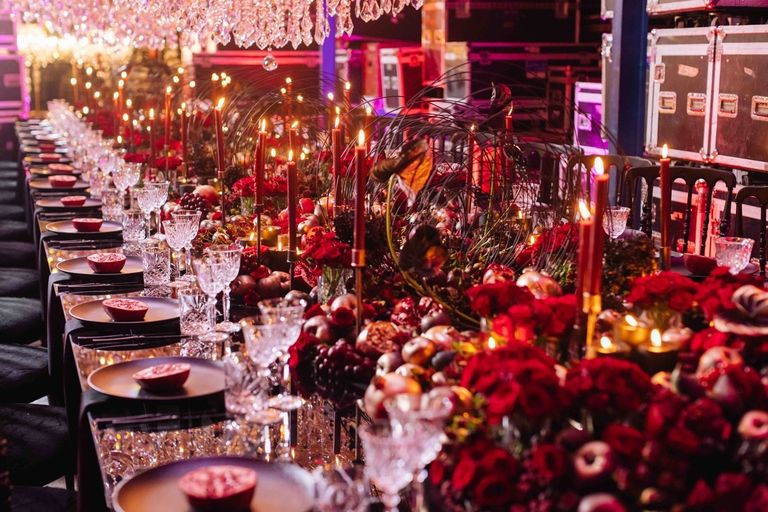
Dalia Catering
Dalia Catering elevates luxury weddings with Lebanese heritage, exquisite cuisine, premium ingredients, elegant presentations, generous hospitality, impeccable service, and attention to every detail.
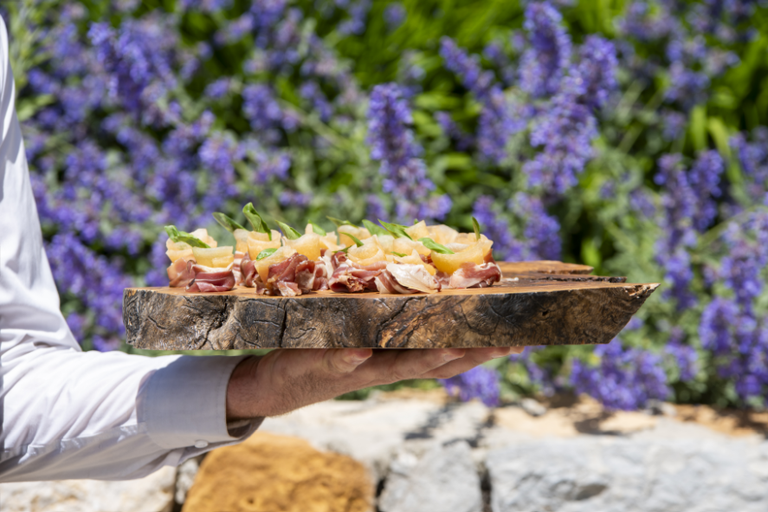
Fleur de Lys Catering
A Story of Perfection since 2008. Fleur De Lys. Private dining, weddings, corporate events. Crafted in Beirut. Served across Lebanon and the GCC.
Get offers
Let Lebanon's food & beverage come to you
One request — we take it to the right vendors.
- Free for couples
- Two short steps, then a quick code
- Offers by email and WhatsApp
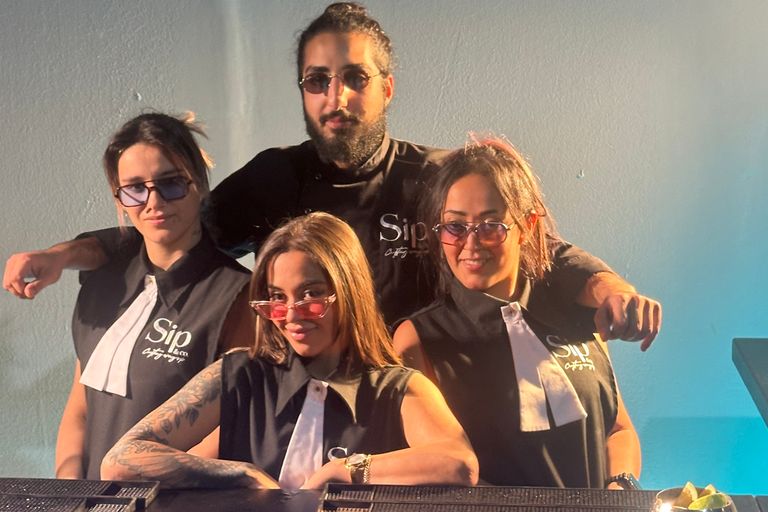
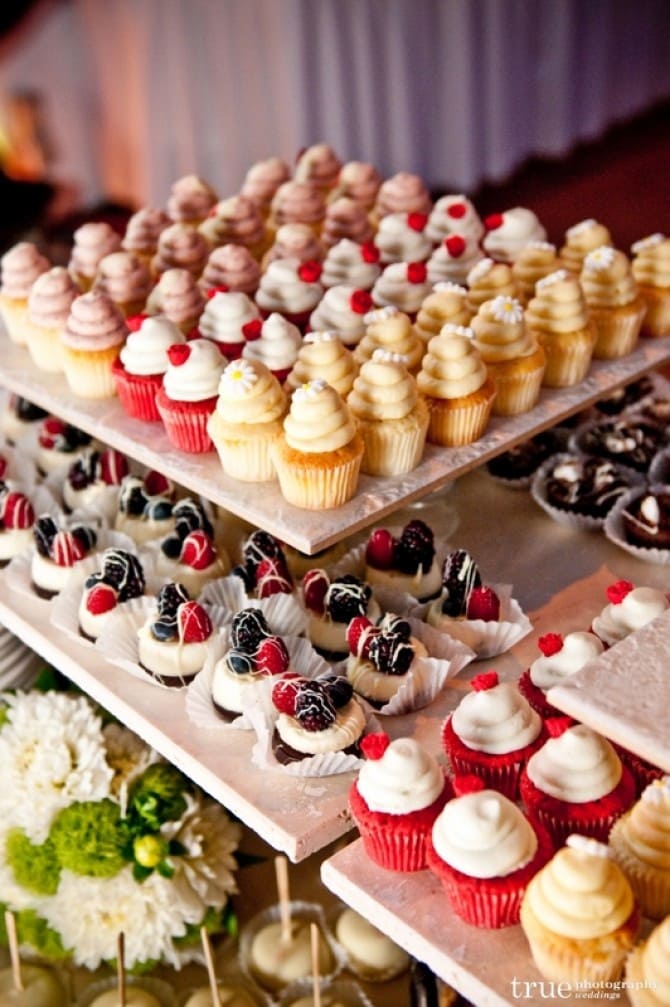
liquor masters cocktail bar
Our Mobile Cocktail Bars are the perfect addition to your event!

Abou Deeb Restaurants and Hotel
Nestled in Mazraat El Yahoudiyeh, Abou Deeb Restaurants and Hotel offers a distinctive Lebanese experience for your wedding, combining authentic local charm with versatile spaces for a memorable celebration.

Twisty
Twisty offers a premium mobile bar service for weddings and events in Jounieh, Lebanon, creating memorable experiences with custom-designed bars, craft cocktails, professional bartenders, and an energetic atmosphere to elevate the celebration.
Liquid Engineers

Al Phenic Restaurant and Venue
Al Phenic, a Parisian gem on Rue Villeneuve in Clichy, offers an elegant setting for your wedding, combining French charm with a touch of exotic flair across its versatile restaurant and event spaces.
Muscad'or

Hallab 1881
Fait Maison Catering By Firas
De L'amitié
Catalea Catering
The Catering Boutique
Crushers Bar Catering
BUSKAR
Ivre Bar Catering

Seasweet
Hussein Hadid
A generous feast is the centerpiece of any Lebanese celebration, and your wedding menu offers the perfect opportunity to honor this tradition of abundance. Whether you are hosting a grand celebration in Beirut or an intimate gathering in the mountains, the food and beverages you serve will delight your family and friends and keep them energized throughout the night.
From the elaborate spread of a traditional mezze to modern, interactive live stations serving sushi and pasta, the culinary options are vast. Many of the country's top-tier catering companies operate out of strategic hubs like Mkalles and Sin el Fil, perfectly positioned to serve venues across Mount Lebanon and the capital. As you build your team, finding a caterer who understands your vision and honors the generous spirit of a Lebanese feast is essential.
Structuring Your Culinary Timeline
When planning your feast, timing is everything. Top-tier catering companies book up 6 to 12 months in advance, especially for the peak Lebanese wedding season which runs from June through September. Securing your caterer early allows you to coordinate seamlessly with your wedding planners to design the flow of the evening.
The culinary experience begins long before the main dinner. The 'Welcome Drink' is a highly produced and distinct phase of the wedding lasting 1 to 2 hours before the main Zaffe entrance. During this time, guests gather and mingle while being served from specialized cocktail bars and enjoying passed canapés. Later in the planning process, you will schedule menu tasting sessions. These are typically scheduled 1 to 3 months prior to your wedding date, giving you ample time to refine every flavor. Finally, caterers usually require the final, guaranteed guest headcount 1 to 2 weeks before the wedding day to finalize ingredient orders and staffing.
Navigating Venues, Menus, and Traditions
Before finalizing your food and beverage team, confirm the policies of your chosen location. Many premium outdoor and historical wedding venues in Mount Lebanon, Keserwan, and Byblos operate exclusively with their own in-house catering or mandate choosing from a strict list of two to three approved caterers.
Regardless of the setting, abundance is a cornerstone of Lebanese hospitality. Caterers are expected to prepare significantly more food than the strict guest count requires, as running out of food is considered a major cultural faux pas. Even when a wedding features an international plated dinner or a modern buffet, a traditional Lebanese Mezze—featuring an array of small dishes like hummus, moutabal, tabbouleh, raw meat, and pastries—is almost always incorporated. You might also draw inspiration from regions like Zahle and the Bekaa Valley, renowned for traditional Lebanese gastronomy and local wineries, which heavily influence beverage choices and catering styles. Furthermore, interactive live stations, where chefs prepare dishes on the spot, are extremely popular.
Staffing, Service, and Final Details
Beyond the menu itself, the quality of service defines the dining experience. When meeting with potential caterers, inquire about their staff-to-guest ratio for waiters and bartenders, and ask if a dedicated head waiter is provided for the VIP and family tables. If you plan to supply your own premium spirits and champagne instead of using the caterer's supply, always ask about a corkage fee, which is charged per bottle.
You should also discuss the logistics of the late-night snack stations—a standard expectation where traditional street food like Knefeh or Shawarma is served between one and two in the morning—to ensure this is included in your main package rather than billed as an unexpected add-on. Finally, ask about their policy on leftover food, whether they package it for the family to take home or work with local food donation NGOs. Working with top professionals ensures your guests enjoy the wedding entertainment while being flawlessly served throughout the night.
Frequently Asked Questions
When do I need to provide the final guest count?
Caterers usually require the final, guaranteed guest headcount one to two weeks before the wedding day. This crucial timeline gives them enough time to finalize ingredient orders and secure the necessary staffing for your event. Providing an accurate number ensures that the principle of abundance is met without unnecessary waste, allowing the culinary team to prepare flawlessly for your celebration.
What should we serve for a late-night snack?
Late-night snacks are a standard expectation at Lebanese weddings. Between one and two in the morning, it is highly customary to serve traditional street food to re-energize your guests. Knefeh, a warm, sweet cheese pastry served with syrup, is universally beloved as the ultimate late-night treat. You can also offer options like live Saj stations, Manakish, or Shawarma, ensuring everyone leaves satisfied after hours of dancing.
What are live stations in a wedding buffet?
Live stations are interactive food stalls where chefs prepare or assemble dishes on the spot, adding a dynamic element to your reception. These are extremely popular in Lebanese wedding buffets and can include anything from fresh sushi bars and pasta wheels to traditional barbecue and saj stations. They allow guests to customize their plates while enjoying the theatrical aspect of live culinary preparation.
Can we bring our own premium alcohol?
Yes, you generally can, but you must check the corkage fee policy beforehand. This is a specific fee charged by the venue or caterer for each bottle should you decide to purchase and bring your own premium alcohol, such as imported whiskey or champagne, instead of using the caterer's supply. Clarifying this early helps you balance your beverage budget effectively.
Do caterers provide tables, chairs, and cutlery?
The inclusions vary significantly by company and venue. You should always explicitly ask if tables, chairs, linens, glassware, and cutlery are included in your per-person rate. In many cases, you may need to rent these items from a separate specialized supplier or coordinate with your venue directly, especially if you are hosting your event at an outdoor or historical location.