
Wedding Furniture & Equipment Rentals in Lebanon
Essential furniture, lighting, and structural rentals to build your perfect Lebanese wedding venue from the ground up.
Wedding Rentals in Lebanon at a glance
46 wedding rentals
More details
- Top cities
Showing 1-24 of 46 vendors
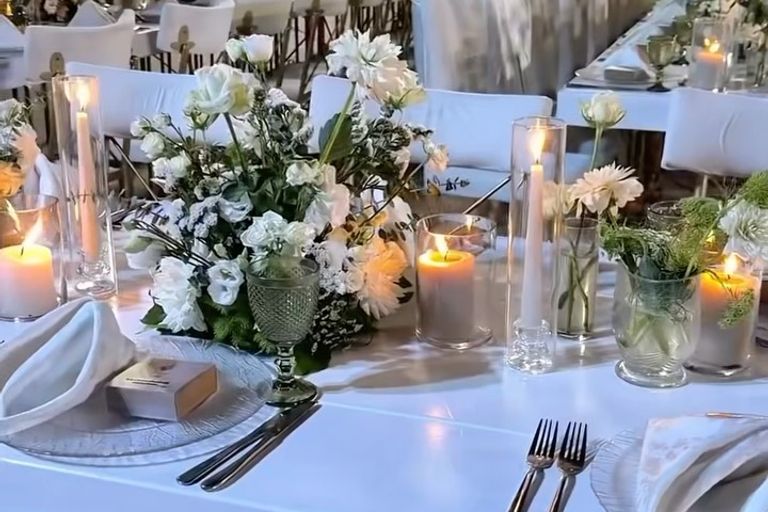
Jennifer's Wedding Furniture
Jennifer's Wedding Furniture in Baabda, Lebanon, offers a wide selection of high-quality tables and chairs, turning visions into reality for weddings and grand celebrations with meticulous attention to every detail.
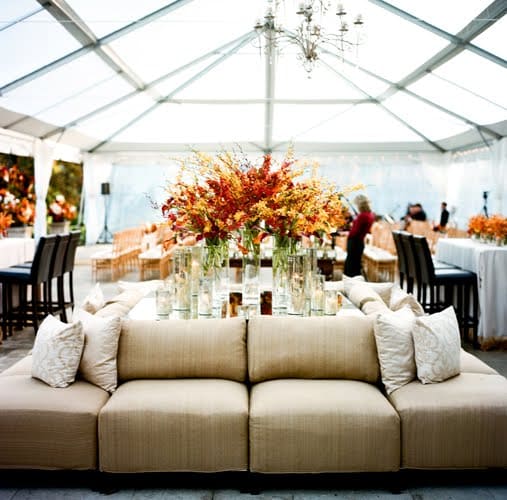
CK Lighting
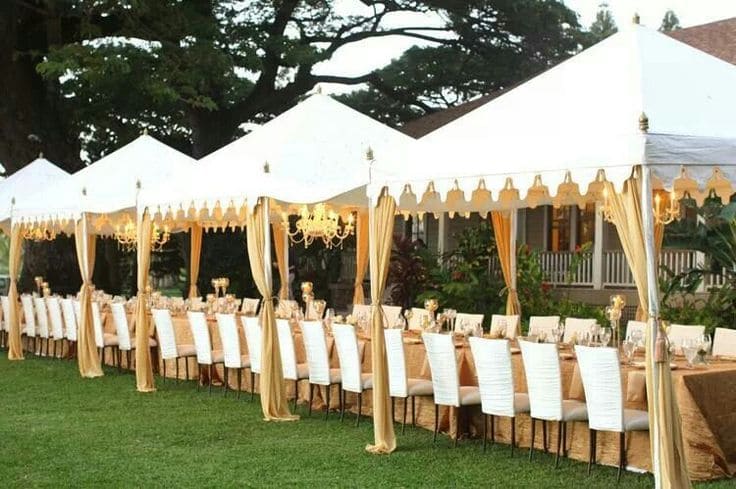
Wedding To Be

Settings Wedding furniture
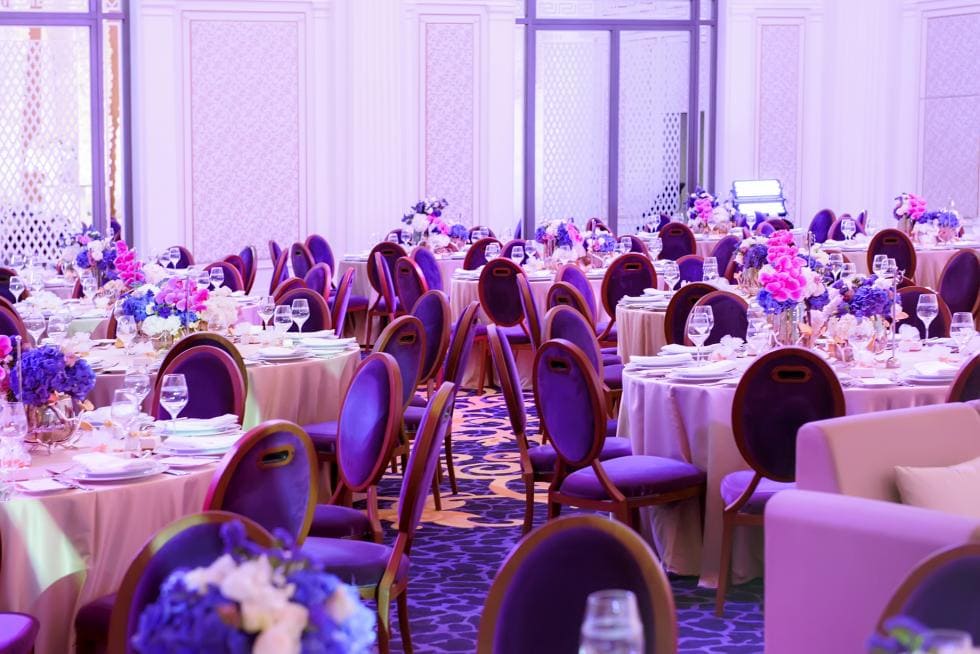
EFAB LED Solutions
Asmar Wood
Get offers
Let Lebanon's wedding rentals come to you
One request — we take it to the right vendors.
- Free for couples
- Two short steps, then a quick code
- Offers by email and WhatsApp
Salem Rabih
Salem Curtain Arts
Salem Rabih
Darwich Group
Gora
Rent My Party
PBS Events
Skamlati
Mellow
Almoe AV Productions & Rentals
CUBE Production
Ococoon
Moodz Event & Wedding Furniture
Sahaco Furniture
Meuble Decor
In Style Event
Colors and Shapes Wedding Furniture
Ghorayeb Technotel for Wedding Rentals
Transforming a breathtaking Lebanese landscape or historical site into a fully functioning event space requires specialized infrastructure and meticulous preparation. Because many popular mountain plots and coastal venues operate strictly as dry hires, securing the right structural wedding rentals is the absolute foundation of your celebration.
From erecting clear marquee tents to leveling floors for a seamless evening, specialized production and rental companies handle the heavy lifting. Whether you envision a transparent dance floor built over a swimming pool or require essential infrastructure to support complex lighting and sound, the local trade is equipped for massive structural builds. Securing top-tier equipment ensures your design vision comes to life while keeping the logistics smooth, safe, and comfortable for every guest.
Building your venue from scratch
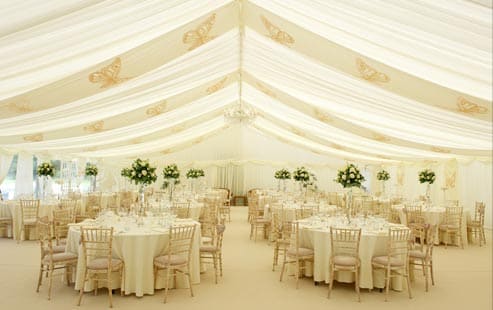
Many popular Lebanese wedding venues, including historic sites in Byblos or elevated mountain plots in Keserwan, operate strictly as dry hire or empty spaces. This means your chosen rental companies frequently build the entire venue from scratch. The process goes far beyond simply dropping off chairs and tables; it involves leveling uneven outdoor floors, installing heavy-duty trussing, and erecting structural covers to protect against the elements.
Because these operations require massive storage space for furniture, staging, and audio-visual equipment, the major rental warehouses and production companies are based in industrial areas like the Mkalles and Dekwaneh Industrial Zones, rather than traditional retail storefronts. This infrastructure allows them to execute the massive structural builds required to transform a raw piece of land into a luxurious celebration space.
Essential power and technical setups
Because of systemic national power grid instability, heavy-duty generator rentals are a mandatory structural requirement for almost all weddings in the country. You will typically require a primary generator and a dedicated backup to guarantee uninterrupted power for your lighting, catering equipment, and the 'sono'—the commonly used French term in the Lebanese industry for the sound system and audio engineering setup.
When finalizing your contracts, it is critical to specify the logistics of the mazout (diesel fuel). You must clearly outline whether the rental company or the client is responsible for providing and refilling the mazout throughout the night. Coordinating these technical elements alongside your wedding planners ensures that the heavy power loads required by modern lighting and sound rigs are safely managed from the first dance to the final farewell.
Timelines and complex logistics
Setup and dismantling for large Lebanese weddings often take multiple days, requiring rental companies to coordinate complex logistics and overnight shifts. Major structural rentals, such as custom staging, expansive tents, and specialized pool covers, are typically booked 6 to 9 months in advance for the peak summer season running from July to September.
During this planning phase, couples heavily request 'plexi' (plexiglass) to build transparent dance floors directly over swimming pools or to construct clear marquee tents that showcase the surrounding landscape. To ensure everything operates flawlessly, technical site visits for lighting, sound, and power load assessments usually occur 4 to 6 weeks before the wedding day. This allows the engineering teams to account for the specific terrain of your venue and confirm that their delivery trucks can safely navigate the steep or narrow mountain roads leading to the site.
Frequently Asked Questions
How early should I book structural wedding rentals?
Major structural rentals, including tents, custom staging, and pool covers, are typically booked 6 to 9 months in advance for the peak summer season between July and September. Securing these large-scale items early guarantees availability during the busiest months of the year. Because specialized inventory like custom transparent roofing or extensive flooring requires significant preparation, early booking gives the production teams ample time to reserve the necessary materials and block out the multiple days required for complex setups.
What is the meaning of "plexi" in wedding design?
Plexi is short for plexiglass, a material heavily requested in Lebanon for modern event design. Rental companies use it extensively for building transparent dance floors, which are often constructed directly over swimming pools to maximize space and create a stunning visual effect. It is also used to build clear marquee tents, allowing guests to enjoy the natural beauty of the surrounding mountains or coastline while remaining protected from the weather.
Are generators necessary for an outdoor celebration?
Yes, heavy-duty generator rentals are a mandatory structural requirement for almost all weddings due to systemic national power grid instability. You will often need both a primary generator and a backup unit to handle the immense power loads of professional lighting and sound equipment. Always ensure your contract specifies who is responsible for supplying the mazout (diesel fuel) and refilling it if necessary during the event.
When do technical site visits usually take place?
Technical site visits for lighting, sound, and power load assessments usually occur 4 to 6 weeks before the wedding day. These visits are essential for the production team to evaluate the specific terrain of the venue. They will assess how to safely install heavy equipment, determine the best placement for the generators, and ensure that the wedding entertainment and audio setups will function perfectly in the outdoor environment.
What logistical questions should I ask before booking?
Always ask if transportation, setup, and dismantling fees are fully included in the quote. You must verify that the delivery trucks can safely access the steep or narrow mountain roads leading to your venue. Additionally, ask if the company provides an on-site technician who will remain at the venue for the duration of the wedding to immediately address any unexpected equipment issues or power failures.