
Wedding Dresses in Muscat
Find the perfect bridal gown and traditional Omani dresses for your celebrations in Muscat.
Showing 1-16 of 16 vendors
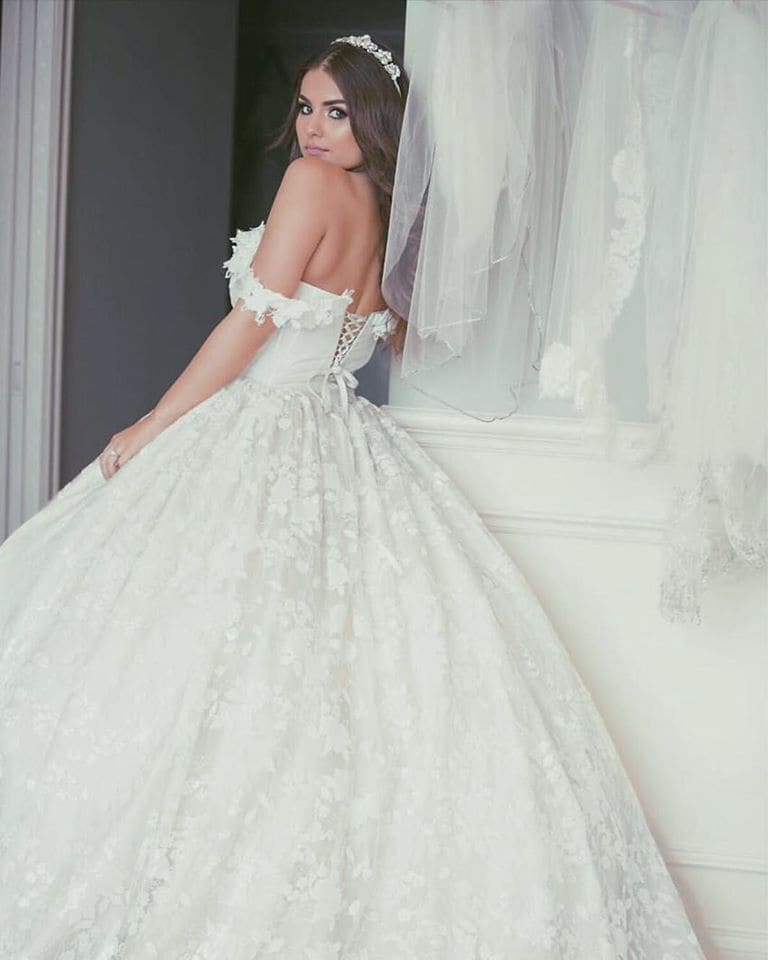
Milly Boutique
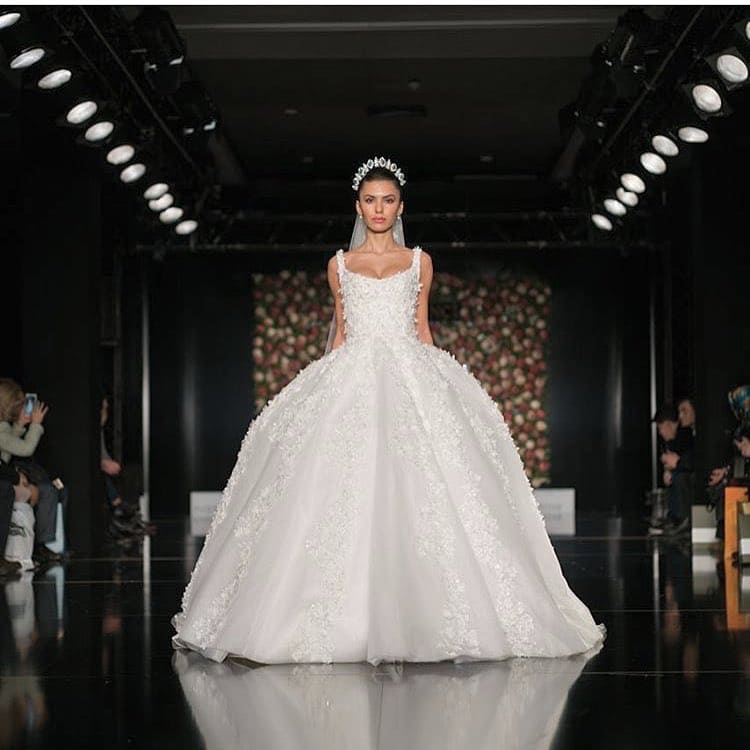
Farfalla Wedding Dresses
Ruzan Fashion Oman
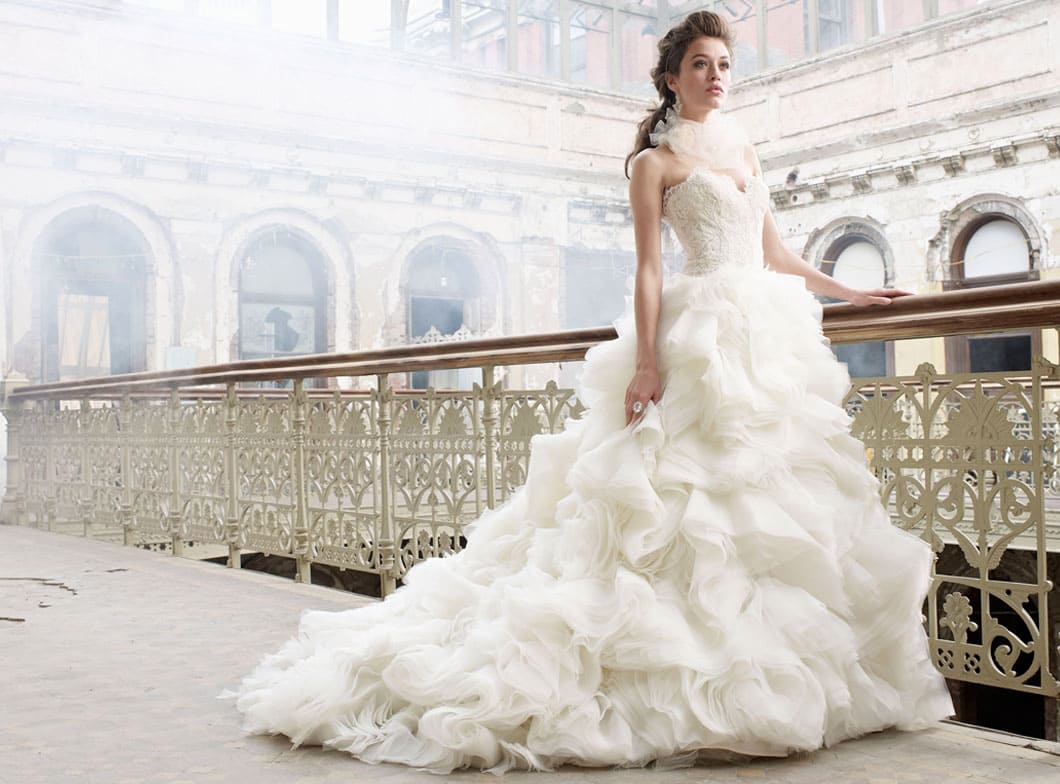
Boutique Fushia
Masaya Fashion
Danat Muscat Fashion
Get offers
Let Muscat's fashion come to you
One request — we take it to the right vendors.
- Free for couples
- Two short steps, then a quick code
- Offers by email and WhatsApp
Simply White
The Bridal Store
Eve's Bridal
My Bride Boutique
Boutique Amassi
Al Zabarjad Gallery
Dar Al Fatinah Fashion
Abn Al Jabari
Aroos Al Hana
Paradise Bridal
Planning your bridal wardrobe in Muscat means preparing for multiple distinct celebrations. From the vibrant traditions of the Jalwa to the grand reception, finding the right attire requires careful attention to detail. The capital offers a dynamic mix of shopping experiences, catering to every requirement you might have.
You will discover upscale boutiques carrying international labels alongside bustling markets dedicated to rich fabrics and intricate tailoring. Whether you need a richly embroidered customary garment or a pristine white gown tailored for modesty, local specialists provide exceptional craftsmanship. Start exploring these options early to ensure your vision comes to life perfectly. Take your time selecting the silhouettes, embellishments, and textiles that will make you feel confident and radiant throughout your upcoming events.
The white gown and modesty alterations
Finding the perfect white Western-style gown for your main reception is a thrilling milestone. In Muscat, Qurum is home to upscale boutiques offering a stunning array of imported dresses and high-end evening wear. Because modesty is paramount, these shops are well-versed in customizing international designs. They frequently add opaque linings, build custom long sleeves, or provide matching bridal hijabs to ensure you feel comfortable.
When shopping, always ask if the boutique has in-house seamstresses experienced in adding modest necklines without compromising the initial lace design. You should order imported gowns 5 to 6 months in advance. This timeline allows ample room for international shipping and multiple rounds of essential modesty fittings. Once your dress is perfectly tailored, skilled Wedding Photographers in Muscat will know exactly how to capture its delicate details. The peace of mind that comes from knowing your gown fits flawlessly and respects cultural values is invaluable when you finally walk into the venue.
Custom tailoring for the Jalwa
Beyond the white dress, brides typically require multiple distinct outfits. A brightly hued, heavily embellished traditional dress is essential for the Henna celebration. If you are envisioning a bespoke creation, Seeb Souq is a major bustling destination for local bridal fabrics, tailoring, and richly embroidered customary garments. Ruwi is also known for a high concentration of textile shops, fabric importers, and experienced tailors ready to craft custom attire.
Custom-made local dresses feature intricate metallic thread embroidery known as Zari. Because of the detailed hand-stitching required, these breathtaking garments typically need 3 to 6 months to finish. Taking the time to select the perfect Zari patterns ensures your Jalwa outfit reflects your personal style while honoring cultural heritage. The craftsmanship found in these markets is truly exceptional, offering endless possibilities for personalization.
Accessories and the groom's wardrobe
Completing your aesthetic involves sourcing the right accessories. Substantial, intricately crafted heritage pieces are essential for the Henna evening. These striking accessories are often rented alongside the dress rather than purchased. The groom's attire is strictly customary, consisting of a pristine Dishdasha, a ceremonial Bisht, a hand-wrapped Mussar, and the local Khanjar. Muttrah Souq is the essential market for sourcing these authentic textiles and accessories.
Bespoke tailoring for the groom's attire and sourcing a premium hand-embroidered Mussar is usually done 1 to 2 months prior to the event. Managing these distinct timelines can be complex, so many couples rely on Wedding Planners in Muscat to keep every fitting on schedule. Coordinating the rental of heritage pieces with the groom's tailored garments ensures both of you look immaculate and cohesive when welcoming your guests.
Frequently Asked Questions
How early should I order my wedding dresses in Muscat?
Securing your attire requires planning well ahead of your date. Imported Western-style bridal gowns should be ordered 5 to 6 months in advance to allow time for shipping and modesty alterations. Meanwhile, custom-made local dresses featuring intricate metallic thread hand-embroidery, known as Zari, typically require 3 to 6 months for tailors to complete.
Can boutiques modify imported gowns for modesty?
Yes, modifying imported gowns is standard practice in the capital's upscale boutiques, particularly in Qurum. Because modesty is paramount, shops frequently add opaque linings, build custom long sleeves, and provide matching hijabs. Always ask if they have in-house seamstresses experienced in adding modest necklines without compromising the initial lace design.
Where can I find customary fabrics for my Jalwa?
The city offers excellent markets dedicated to rich textiles. Seeb Souq is a bustling destination for customary bridal fabrics, bespoke tailoring, and richly embellished garments perfect for your Jalwa celebration. Additionally, Ruwi is well known for its high concentration of textile shops, fabric importers, and experienced tailors capable of creating stunning attire.
Do I need to buy the heritage jewelry for my Henna?
Substantial, intricately crafted heritage jewelry is a core element of your aesthetic for the Henna evening, but you do not need to purchase it outright. These beautiful pieces are often conveniently rented alongside your dress from local boutiques. Always confirm with the shop if the rental package includes the matching headpiece and silver or gold items.
What does the groom wear for the celebration?
The groom's attire is strictly customary. He wears a pristine Dishdasha, a ceremonial cloak called a Bisht, a hand-wrapped woven scarf known as a Mussar, and the traditional curved dagger, the Khanjar. Muttrah Souq is the essential market for sourcing these authentic items. Bespoke tailoring for the groom is usually done 1 to 2 months prior.