
Wedding Dresses & Bridal Boutiques in Oman
Find beautiful traditional Omani wedding garments and elegant Western bridal gowns for your celebration.
Fashion in Oman at a glance
30 vendors
More details
- Top cities
Showing 1-24 of 30 vendors
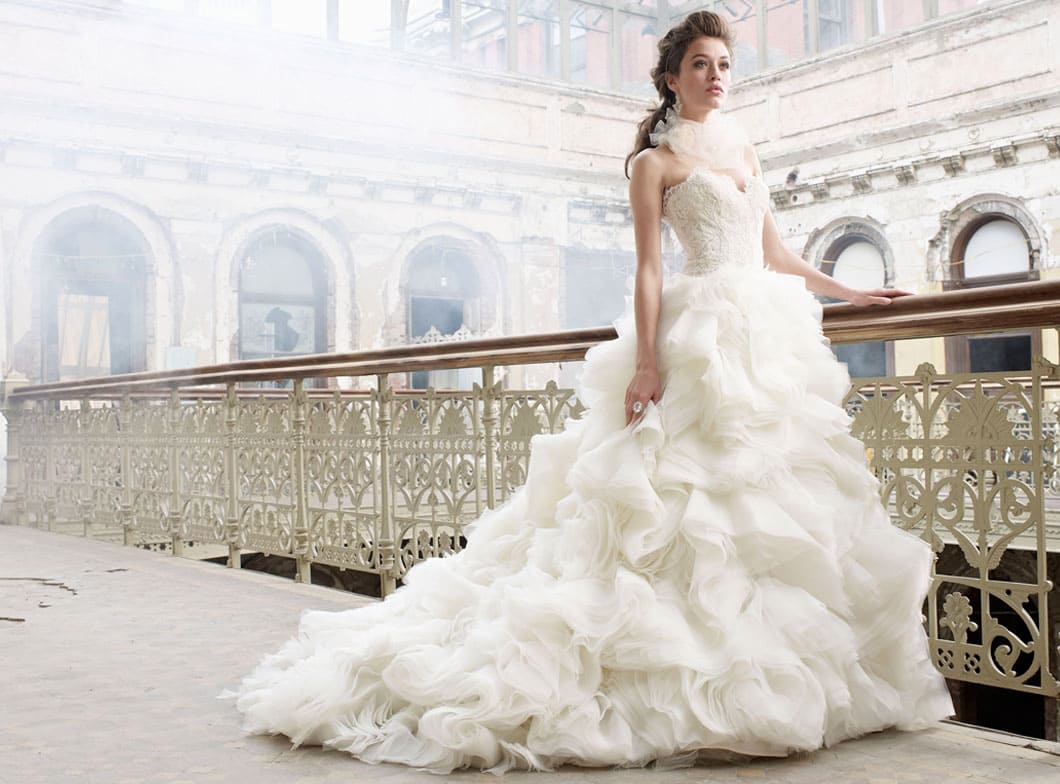
Glamour Boutique
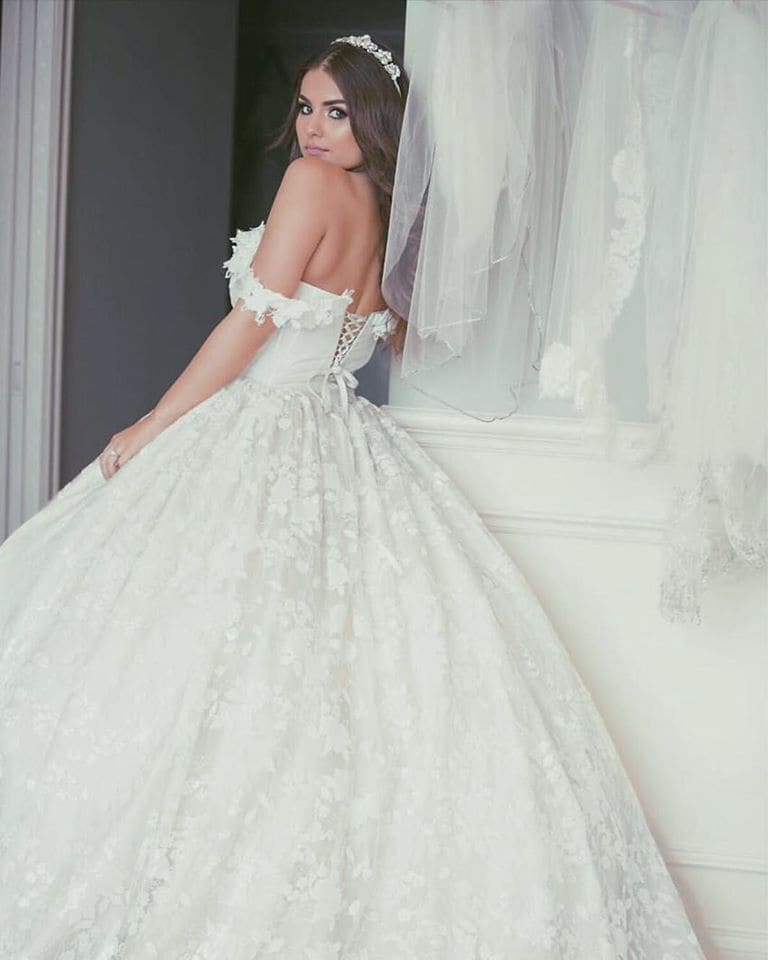
Milly Boutique
AJ Collection Boutique
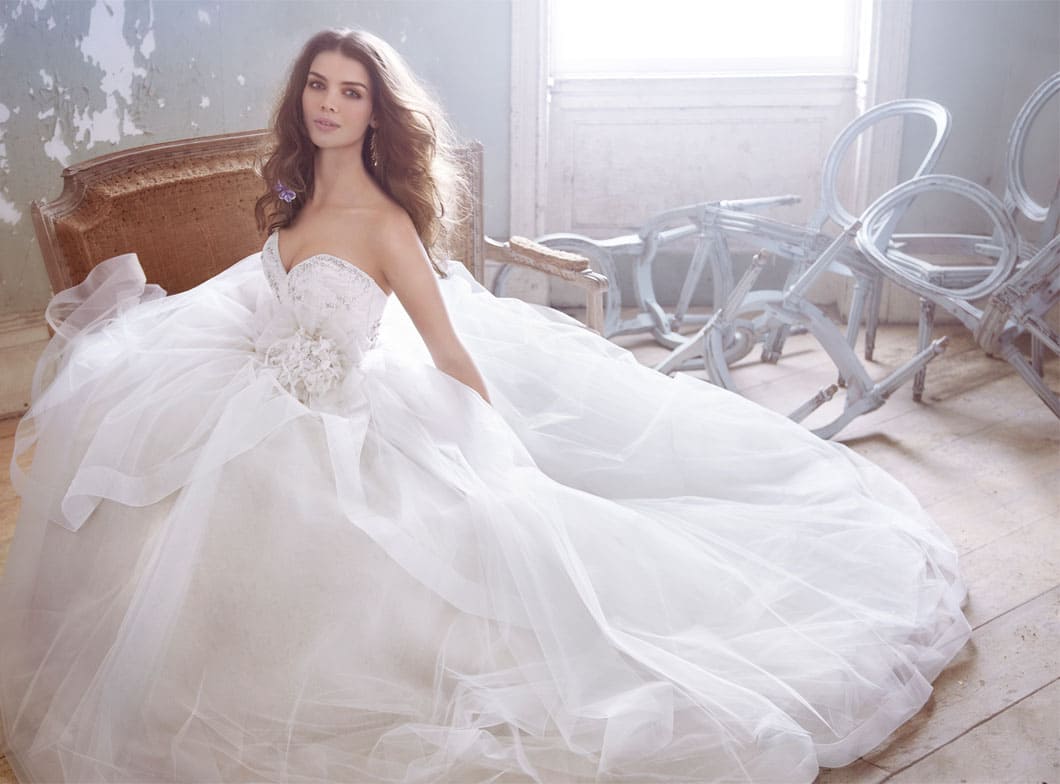
Hareem Fashion
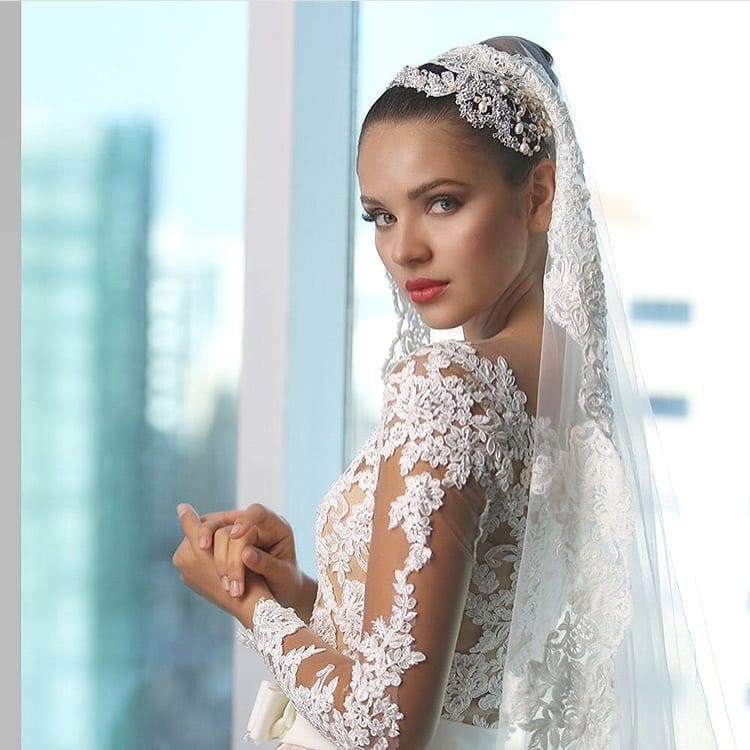
Nayomi Lingerie Oman
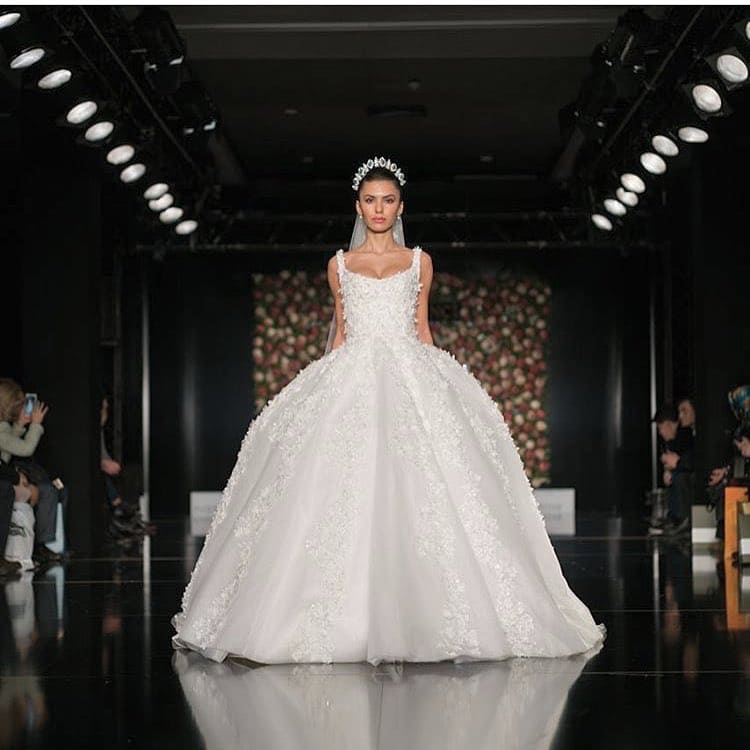
Farfalla Wedding Dresses
Get offers
Let Oman's fashion come to you
One request — we take it to the right vendors.
- Free for couples
- Two short steps, then a quick code
- Offers by email and WhatsApp
Ruzan Fashion Oman
Boutique Fushia
Masaya Fashion
Danat Muscat Fashion
Simply White
Lebanon Star Fashion
Lebanon star Fashion is one of the most prestigious Fashion shops in Oman, Providing designs of the most known brands in the fashion market.
Zahra Dresses
The Bridal Store
Eve's Bridal
Glamour Boutique - Muscat
My Bride Boutique
Boutique Amassi
La Vie En Rose Lingerie Oman
Hunkemoller Lingerie Oman
Women's Secret Oman
Oysho Lingerie Oman
La Senza Lingerie Oman
Calvin Klein Oman
Planning your wedding wardrobe in Oman is a beautiful journey that celebrates both heritage and modern elegance. Most brides require multiple distinct outfits to honor different wedding events. You will need a highly decorated, colorful traditional Omani dress for your Henna or Jalwa, alongside a classic white Western-style gown for the main wedding reception.
Whether you envision intricate metallic Zari embroidery or a sleek silhouette, the local market offers an impressive array of options. Finding the right dress means balancing your personal style with cultural traditions, ensuring you feel confident and radiant throughout every celebration. Take the time to explore different silhouettes, discuss modesty alterations with experienced seamstresses, and select garments that perfectly reflect your vision for the day.
Exploring Oman's Bridal Shopping Districts
The bridal trade in Muscat is concentrated in several key districts, each serving a distinct part of your wedding wardrobe. If you are looking for upscale boutiques offering imported Western-style wedding gowns and high-end evening wear, Qurum is the primary destination. Here, you will find international silhouettes ready for customization. For traditional Omani bridal fabrics and heavily embroidered garments, Seeb Souq is a major bustling hub where brides source materials for their colorful Jalwa and Henna celebrations.
Ruwi offers a high concentration of textile shops, fabric importers, and experienced tailors for custom wedding attire, making it ideal if you are commissioning a bespoke piece from scratch. Meanwhile, Muttrah Souq remains essential for sourcing authentic Omani bridal accessories, traditional textiles, and the groom's ceremonial items like the Khanjar and Mussar. Taking the time to visit these distinct areas ensures you find exactly the right specialists for every element of your celebration.
Modesty and Alteration Timelines
Modesty is paramount for the main wedding gown, and local boutiques are well-versed in adapting international designs to meet these requirements. Brides frequently require boutiques to add opaque linings, build custom long sleeves, or provide matching bridal hijabs that complement the dress perfectly. When ordering an imported Western-style gown, you should start shopping 5 to 6 months in advance. This extended timeline allows ample room for international shipping and multiple rounds of modesty alterations by skilled in-house seamstresses, ensuring delicate lace patterns are preserved while adjusting necklines.
If you are commissioning a custom-made traditional Omani bridal dress featuring intricate hand-embroidery, known as Zari, expect the meticulous process to take 3 to 6 months to complete. These metallic gold and silver threads require significant time to apply by hand. Remember to coordinate your dress fittings and final delivery dates with your chosen wedding planners early on to keep your overall wedding schedule running smoothly and without unnecessary stress.
Completing the Groom's Traditional Look
The groom's attire is strictly traditional and requires careful attention to detail to match the elegance of the bridal wardrobe. The complete look consists of a pristine Dishdasha, a ceremonial Bisht—usually a black, brown, or beige cloak featuring fine gold embroidery—a hand-wrapped Mussar, and the traditional Omani Khanjar worn securely on a belt. The Mussar, a square woven scarf often made of fine wool or pashmina, serves as a turban and is a focal point of the outfit.
Bespoke tailoring for the groom's attire and sourcing a premium, hand-embroidered Mussar is usually done 1 to 2 months before the wedding. Muttrah Souq is an excellent location to source these essential ceremonial pieces, allowing the groom to compare different qualities of Kashmiri wool and metallic embroidery. Ensuring these garments are perfectly fitted and coordinated means the groom will look his absolute best alongside the bride for the photo & video sessions.
Frequently Asked Questions
How far in advance should I order my wedding dresses?
You should order imported Western-style bridal gowns 5 to 6 months in advance to allow adequate time for international shipping and multiple rounds of modesty alterations. Because these gowns often require custom sleeves or higher necklines, the fitting process takes longer than standard alterations. For your Henna or Jalwa, custom-made traditional Omani bridal dresses featuring intricate metallic Zari embroidery typically require 3 to 6 months to complete. The heavy hand-stitching of gold and silver threads is a meticulous process, so securing your tailor early ensures your colorful traditional garments are ready well before the celebrations begin.
Can boutiques modify a gown for modesty?
Yes, modesty alterations are a standard and highly requested service across boutiques in Oman. When shopping for your main reception dress, always ask if the boutique has in-house seamstresses experienced in adding opaque linings, building modest necklines, and constructing custom long sleeves. A skilled seamstress can perform these extensive modifications without ruining the gown's original delicate lace pattern or altering its fundamental silhouette. Many upscale boutiques in areas like Qurum also offer the option to design and create a matching bridal hijab that perfectly complements the fabric and embroidery of your chosen gown.
Do I need to buy the traditional jewelry for my Henna night?
Not necessarily. Heavy, ornate traditional jewelry is an integral part of the authentic Omani bridal look for the Henna night and the Jalwa ceremony, but it represents a significant investment. Because these highly decorated gold and silver pieces are worn infrequently after the wedding, they are often rented alongside the traditional dress rather than purchased outright. When arranging your rental, always ask if the package includes the matching headpiece and all necessary traditional silver or gold jewelry. You can also explore local jewellery shops for more modern or subtle pieces you wish to keep and wear daily.
What does the groom wear to an Omani wedding?
The groom wears strictly traditional attire that reflects Omani heritage. The foundation of the outfit is a pristine, perfectly tailored Dishdasha. Over this, he wears a ceremonial Bisht, which is a traditional cloak usually in black, brown, or beige, distinguished by intricate gold embroidery along the edges. The headwear consists of a hand-wrapped Mussar, a woven square scarf folded into a turban. Finally, the look is completed with the traditional Omani Khanjar, a beautifully crafted curved dagger worn on a belt. This entire ensemble is typically sourced and tailored one to two months before the wedding day.
What should we look for when choosing a Mussar?
The Mussar is a traditional square woven scarf that the groom folds and wraps as a turban, and it is a centerpiece of his wedding attire. These scarves are often made of fine wool or luxurious pashmina. When selecting one, pay close attention to the craftsmanship of the intricate embroidery. You should ask whether the detailing is hand-stitched Kashmiri wool or if it is machine-made. Hand-stitched Kashmiri Mussars are considered premium and offer a richer texture and more elegant drape, which significantly elevates the groom's final look for the formal wedding photographs.