
How Couples Can Budget for Precious Metals in Wedding Traditions
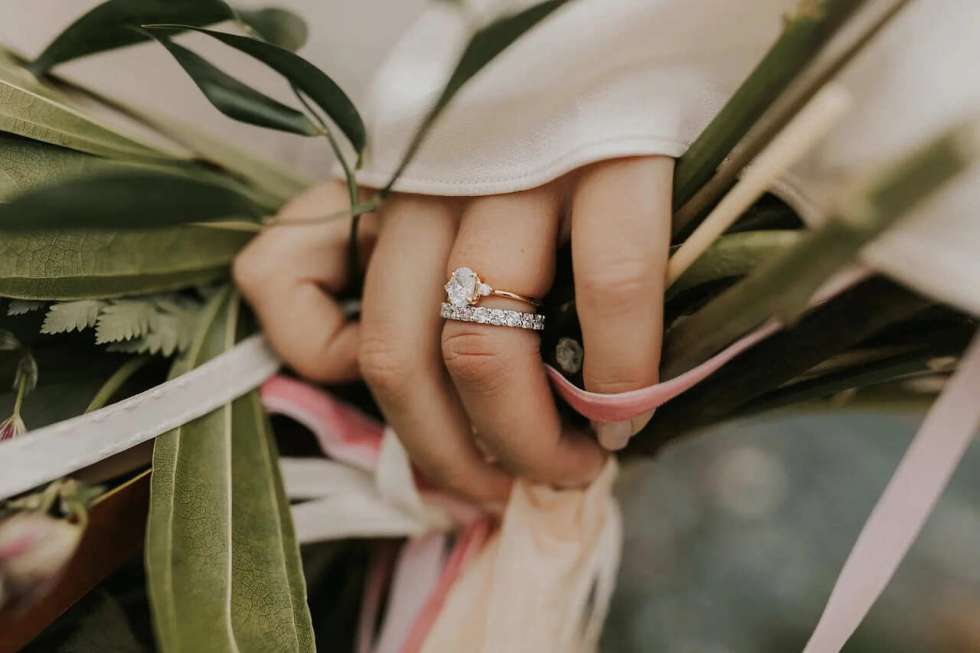
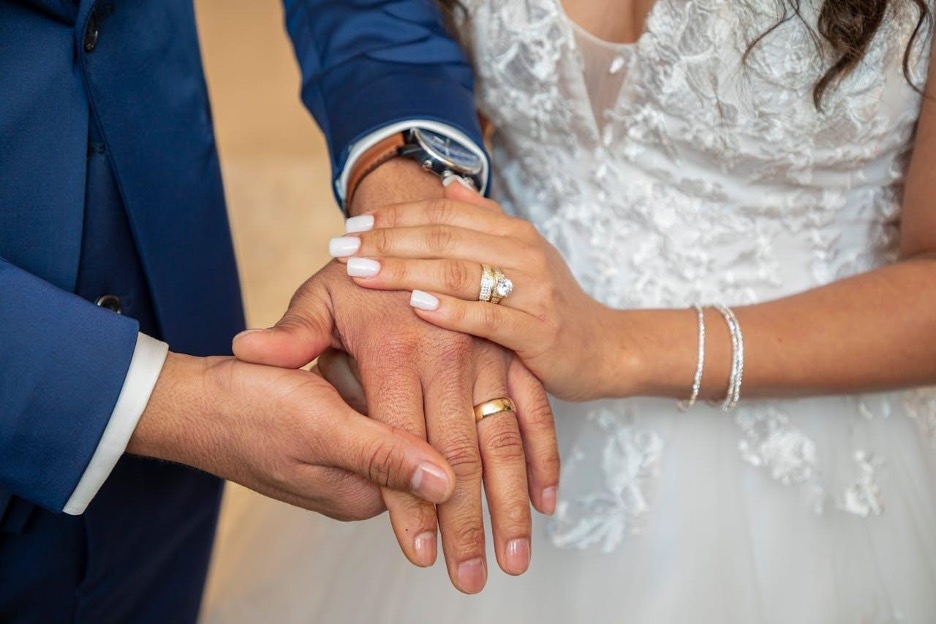
Gold and silver have never been just decorations. In most wedding traditions—from Gulf Arab to South Asian to East African—precious metals are central to rituals, expectations, and family honor. They symbolize wealth, commitment, heritage, and in many cases, future financial security. But the emotional and cultural weight they carry doesn’t reduce the very real financial weight they place on you.
To put it bluntly, these metals aren’t cheap. Between engagement rings, bridal sets, ceremonial dowries, and gifts for family members, gold and silver can easily take up a large share of your wedding budget, especially if you don’t plan.
That’s why you need a strategy. Not just to manage costs, but to align with cultural expectations while still maintaining financial clarity.
From understanding how different cultures incorporate metals into wedding finances to knowing how to evaluate their value accurately, there’s more nuance here than you’ll hear in standard wedding planning advice.
Let’s get into it.

Why Precious Metals Matter in Weddings
In Middle Eastern, South Asian, East African, and Southeast Asian weddings, gold is often used to signal the family's wealth and honor. The quantity and karat of gold can even affect public perception; like it or not, it's a visual shorthand for success.
In Hindu weddings, brides often wear several gold ornaments, each with a symbolic meaning. In Arab weddings, gifting gold jewelry (like a bridal set or shabka) is an expectation. Meanwhile, in Chinese traditions, 24k gold jewelry featuring motifs like dragons and phoenixes is worn as a sign of good fortune. In some African cultures, silver coins are incorporated into bridal dowries or exchanged as symbolic gifts between families.
These traditions aren’t going away. They’re evolving with the times, yes, but they're still very much alive.

What You Need to Budget For
Gold and silver don’t have flat-rate pricing. Values fluctuate daily. So if you're building a budget, start by checking current spot prices. Websites like Pimbex provide transparent market data, and they also explain helpful terms, like the weight conversion for silver coins, which you’ll want to understand if you're purchasing bullion or antique items measured in troy ounces (1 troy ounce = 31.1035 grams, not the usual 28.35 grams).
Here’s what should be on your radar:
- Gold bridal sets or heirloom pieces
- Engagement and wedding rings (men’s and women’s)
- Gifts for immediate family (bracelets, necklaces, or rings)
- Dowry requirements or ceremonial gifts
- Safe storage or insurance
Depending on how many events your wedding includes—nikah, katb kitab, henna night, reception, etc, you may need different jewelry for each.


How Different Cultures Integrate Metals into Wedding Finances
In the Gulf region, the shabka—a pre-wedding gift from the groom to the bride—often includes gold jewelry worth several thousand dollars. Some families negotiate their scale based on social status or family tradition. A clear understanding of what’s expected (and what can be adjusted) is therefore critical. Some couples now opt for simpler sets and use the savings toward their honeymoon or a home, which is probably the wiser route considering the state of the global economy.
In South Asian weddings, brides wear layers of gold that often include family heirlooms. Here, jewelry isn’t just purchased but passed down. If you're in this category, consider what you can borrow before committing to fresh purchases. Customizing or repurposing heirloom pieces is both budget-friendly and a meaningful way to preserve family history.
In Moroccan weddings, silver jewelry and decorative coins are traditional, and often expected in the dowry. If that’s part of your plan, you’ll want to track silver prices closely.
In Western-style weddings, engagement rings dominate the budget. According to The Knot’s study, the average cost of an engagement ring in the U.S. was around $5,200. Don't worry, that number drops dramatically when couples opt for silver or lab-grown stones.
If your culture allows flexibility, it might be worth exploring mixed-metal rings: combining gold and silver for a modern look without the full gold markup.

Don’t Let Market Trends Surprise You
Gold and silver prices rise with global instability, inflation, and currency shifts. So don’t assume prices will stay flat during your engagement period. Instead, lock in purchases early if you spot favorable pricing. If you’re buying from local jewelers, check whether their pricing tracks global indexes or regional demand because they don’t always match.
Also, ask if they price by gram or by piece. Some include labor costs in the quoted weight. That shiny necklace may contain 70% gold weight and 30% craftsmanship cost, which is worth knowing before you commit.

Smart Strategies That Aren’t Talked About Enough
-
Buy during off-peak wedding seasons: Jewelers often run deals in late summer or early spring.
-
Consider second-hand or vintage jewelry: You can polish or reset stones for less than a brand-new item.
-
Negotiate the shabka or dowry items respectfully: Cultural expectations change slowly, but many families are open to conversation, especially if you're funding the wedding yourselves.
-
Buy bullion or coins in advance: In some cultures, giving pure silver or gold coins as part of the dowry or gift exchange is acceptable. This can give you flexibility if you're watching exchange rates or metal pricing.

Prioritize Symbolism Over Quantity
The pressure to showcase wealth through metal isn't going anywhere. But that doesn’t mean you have to go overboard! Many couples today are rewriting traditions in ways that reflect their values, which is both admirable and financially wise. One gold piece with deep significance often means more than ten that were bought to fill a quota.
So, set your budget, do your research, track prices, and ask questions. This way, you're more likely to end up with meaningful pieces that hold both emotional and financial value.

Meet Yasmine, Your AI Wedding Assistant
Get instant answers to all your wedding planning questions. From venues to vendors, Yasmine is here to help!