
Zgharta Wedding Production & Staging
Find expert wedding production teams in Zgharta for lighting, sound, staging, and custom dance floors.
Production in Zgharta at a glance
2 vendors
Showing 1-2 of 2 vendors
Get offers
Only 2 listed here — one request brings you more offers
One request — we take it to the right vendors in and around Zgharta.
- Free for couples
- Two short steps, then a quick code
- Offers by email and WhatsApp
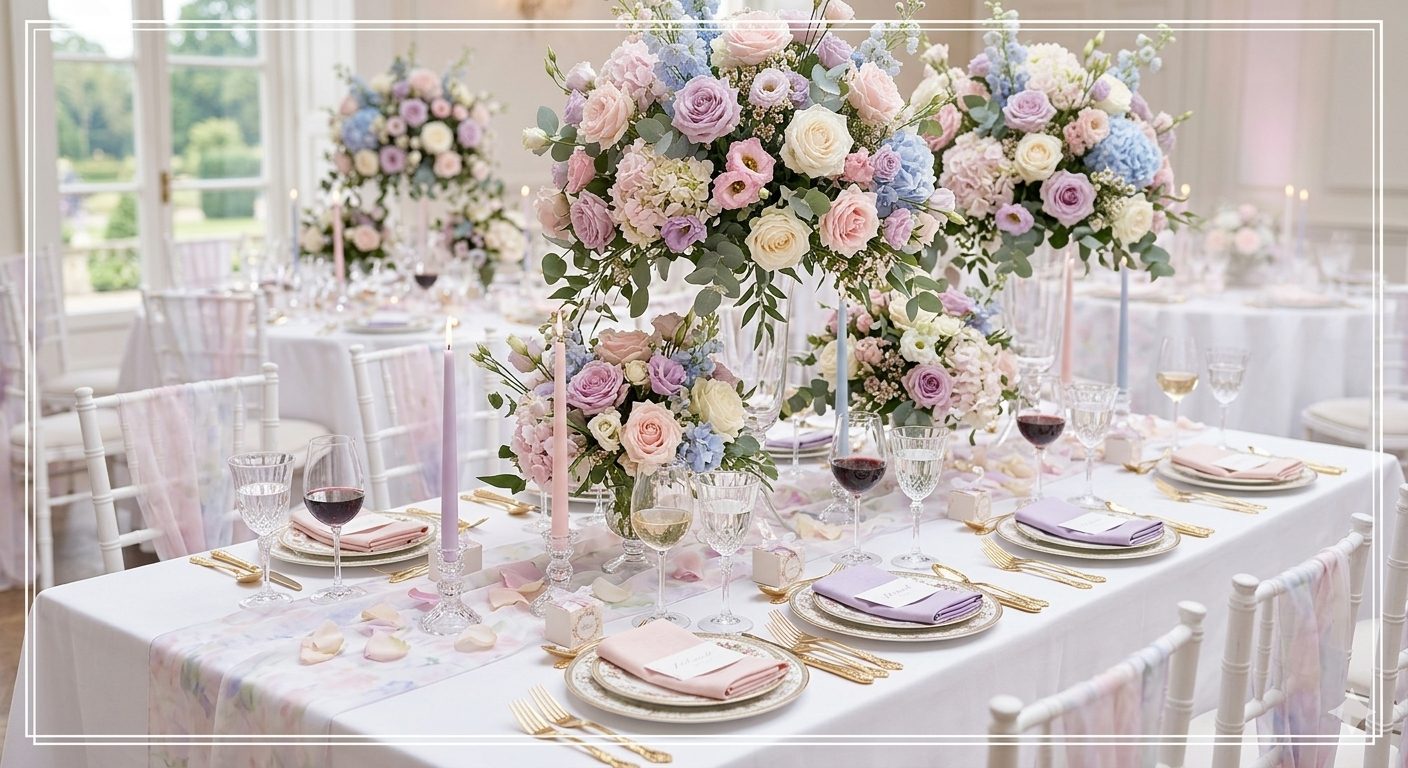
Cedra
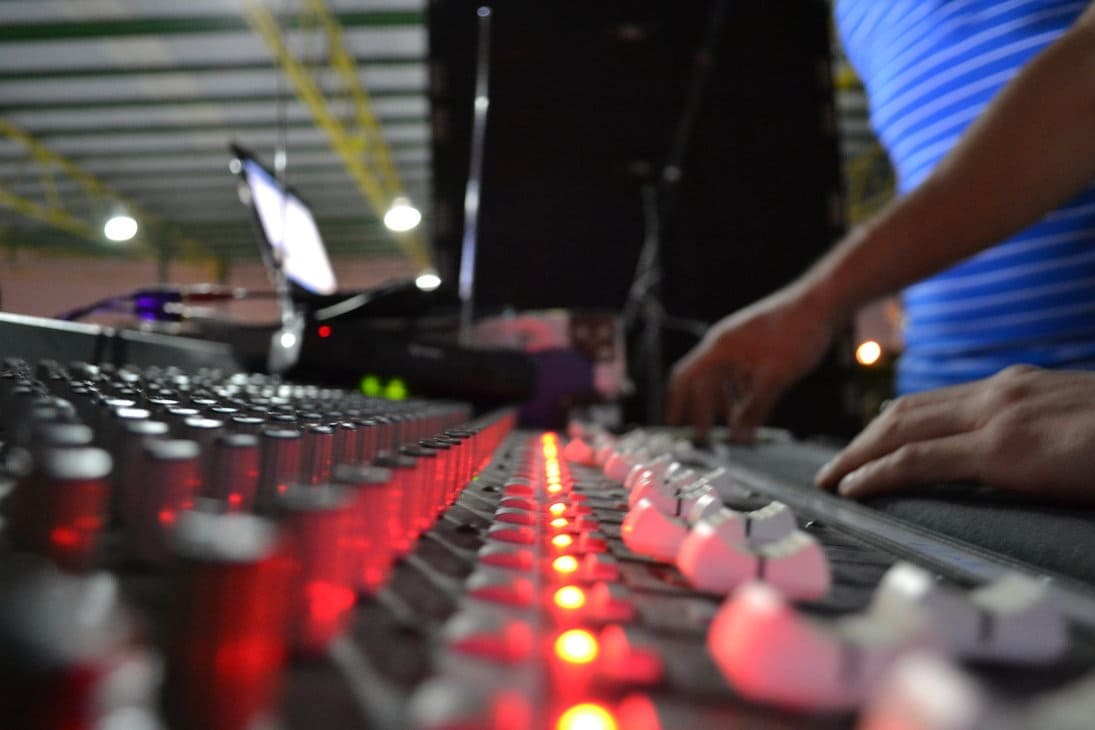
Fiesta360 Sound and Light
Planning a grand celebration in Zgharta requires a strong technical foundation to support elaborate floral ceilings and custom staging. Wedding production teams operate as the structural bones of your event, working seamlessly alongside floral designers and planners to build the perfect environment.
Whether you are hosting an outdoor reception that requires leveling uneven mountain terrain or transforming a traditional hall with advanced lighting, the right production crew makes it possible. From custom staging and crystal-clear audio to dramatic visual effects, these experts handle the heavy lifting. Because Lebanon's national power grid is unreliable, production inherently includes providing and managing heavy-duty, synchronized backup generators. Secure a skilled team early to ensure every technical detail of your celebration runs flawlessly from the first dance to the final farewell.
Engineering Your Venue Space
Lebanese wedding production frequently involves building temporary venues entirely from scratch, transforming raw landscapes into spectacular celebration spaces. If your chosen location features uneven ground, production teams can construct solid structural platforms to level the mountain terrain. They can even build transparent plexi stages directly over existing swimming pools to maximize your floor plan.
This level of transformation requires precise engineering and specialized hardware. The modular aluminum framework, known in the trade as trussing, is built around or above the venue to support all suspended elements. This framework utilizes complex rigging—which includes cables, motors, and hoists—to safely suspend heavy lighting fixtures, line-array sound systems, and massive floral ceilings high above your guest area. The production crew operates as the structural bones of the event, working in tandem with floral designers who provide the aesthetic skin.
Lighting, Sound, and Visual Effects
Beyond the physical structures, production teams manage the entire sensory experience of your celebration. Advanced projection technology, such as 3D mapping, can cast dynamic, animated visuals onto venue walls, custom-built backdrops, or even your wedding cake, creating a truly immersive environment. A dedicated sound engineer and lighting technician will typically remain on-site for the entire duration of the event to manage live transitions, adjust to the changing atmosphere, and ensure optimal audio levels for both speeches and entertainment.
Keep in mind that major production companies often maintain their large warehouses for trussing, staging, and audiovisual equipment in logistical hubs like the Mkalles and Dekwaneh Industrial Zones due to excellent highway access. This allows them to efficiently transport heavy gear and service celebrations across the country, seamlessly coordinating with other Zgharta wedding vendors.
Timelines and Logistics
Securing your production team should happen 6 to 12 months in advance, usually immediately after you have booked your venue and planner. For large-scale Lebanese weddings, the complex production setup requires 3 to 7 days of continuous work. This means you must negotiate and pay for multi-day access with your chosen venue long before the wedding day. Conversely, teardown is almost always executed overnight immediately after the event concludes to avoid incurring an additional day of venue rental fees.
If you are celebrating near historical or archaeological sites, be aware that there are often strict municipal and heritage regulations regarding heavy machinery access, noise limits, and anchoring structures to ancient stones. Always confirm that your team handles the necessary municipal permits for bringing heavy machinery into the area.
Frequently Asked Questions
How early should I book a production company?
Major production companies are typically booked 6 to 12 months in advance. You should secure their services immediately after booking your venue and planner, as they need ample time to design the structural elements and plan the space. Because Lebanese wedding production frequently involves building temporary venues entirely from scratch, these teams act as the structural bones of your event. They must coordinate early with floral designers to ensure the aesthetic skin aligns with the engineering. Booking early also allows time to secure multi-day venue access and any necessary municipal permits for heavy machinery.
How many days does the setup process take?
For large-scale Lebanese weddings, the complex production setup requires 3 to 7 days of continuous work. This extended timeline is necessary for leveling uneven mountain terrain, erecting modular aluminum trussing, and safely rigging heavy lighting and sound systems. You will need to negotiate and pay for multi-day access with your chosen venue long before the wedding day. Conversely, teardown is almost always executed overnight immediately after the event concludes. The crew works through the night to dismantle the staging and audiovisual equipment to avoid incurring an additional day of venue rental fees.
How do production teams handle power outages?
Due to Lebanon's unreliable national power grid, professional wedding production inherently includes the provision and management of heavy-duty, synchronized backup generators. These robust systems are essential to ensure uninterrupted lighting, sound, and visual effects throughout your celebration. When reviewing your contract, always ask if the fuel cost for both the multi-day setup period and the wedding night itself is included in the quote. A dedicated sound engineer and lighting technician will also remain on-site for the entire duration of the event to manage live transitions and monitor the power supply seamlessly.
What is rigging and trussing?
Trussing is the modular aluminum framework built around or above the venue to support all suspended production elements. Because these structures are massive, production companies often store them in large warehouses in logistical hubs like the Mkalles and Dekwaneh Industrial Zones. Rigging refers to the specialized engineering and hardware—including cables, motors, and hoists—used to safely suspend heavy lighting, line-array sound systems, and massive floral ceilings above the guest area. It is crucial to ask if their trussing and rigging structures are certified to support the specific weight of the installations your floral designer is planning.
Can production teams build over swimming pools?
Yes, Lebanese wedding production frequently involves building temporary venues entirely from scratch, which includes transforming existing landscapes. Teams heavily utilize plexi—a highly durable plexiglass material—to create custom, seamless dance floors or transparent structural platforms directly over existing swimming pools. This technique maximizes your venue's floor plan and creates a stunning visual effect. Beyond pools, these production crews can also construct solid structural platforms to level uneven mountain terrain, ensuring a safe and stable foundation for your guests, the modular aluminum trussing, and the advanced audiovisual equipment required for the celebration.
What questions should I ask before hiring a team?
Start by asking if their trussing and rigging structures are certified to support the specific weight of the heavy floral installations your designer is planning. Because Lebanon's power grid is unreliable, confirm that they provide synchronized backup generators and ask if the fuel cost for both the setup days and the wedding night is included. You should also inquire about how many setup days they require, whether they handle municipal permits for bringing heavy machinery into the area, and if a dedicated sound engineer and lighting technician will remain on-site for the entire event.