
Beirut Wedding Catering Companies
Find top-tier catering companies in Beirut to design your perfect wedding menu, from traditional mezze to live stations.
Showing 1-24 of 72 vendors
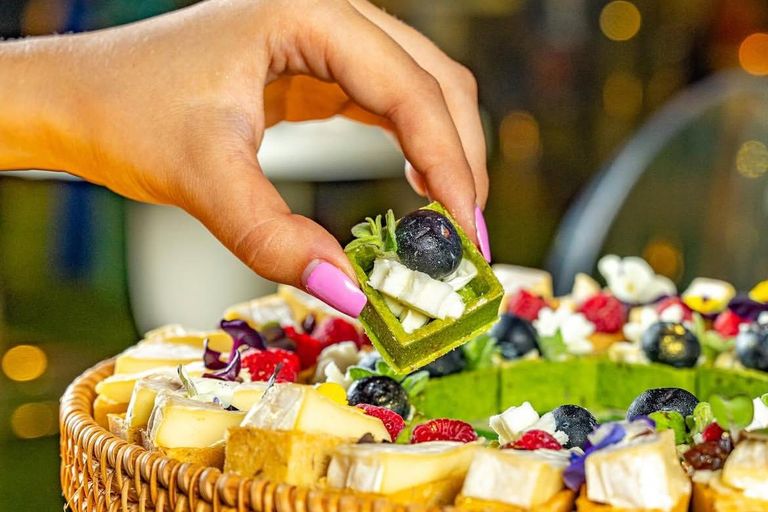
Darine's Catering
We bring the taste to your celebration with freshly baked food and a wonderful display setup.
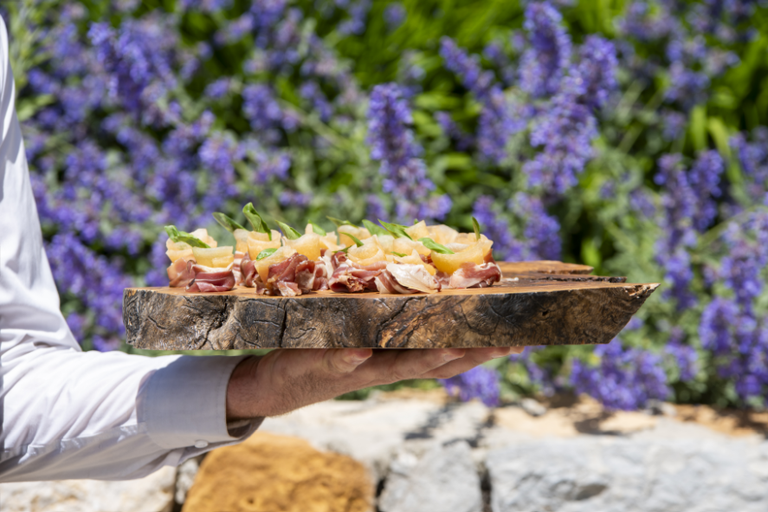
Fleur de Lys Catering
A Story of Perfection since 2008. Fleur De Lys. Private dining, weddings, corporate events. Crafted in Beirut. Served across Lebanon and the GCC.
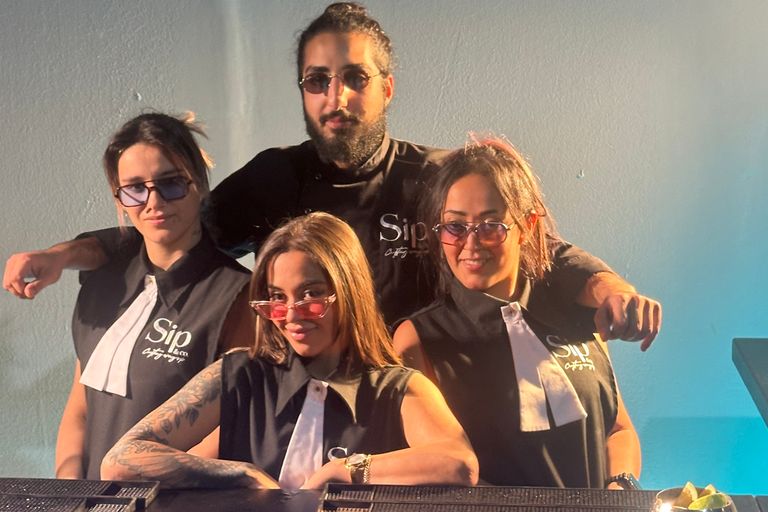
Liquid Engineers
Catalea Catering

Seasweet
Get offers
Let Beirut's food & beverage come to you
One request — we take it to the right vendors.
- Free for couples
- Two short steps, then a quick code
- Offers by email and WhatsApp
Hussein Hadid
Select Agency
Double Shake
Eden Mobile Bars
The Beetle Bar
Barchitect
Butler's Bottle
Bottlefly
Cuisine D'or - Catering
The Catering House
Larissa Catering
Baraboire Catering
Snob Catering
Tailor-Kit Catering
Sako Snack
Embleme Catering
Les Delices De Titou Catering
Kitchen Delights
Abundance is a cornerstone of local weddings, and your menu is the heart of the celebration. When planning your reception in Beirut or Mount Lebanon, selecting the right catering team ensures your guests experience a flawless culinary journey. Running out of food is considered a major cultural faux pas, so local caterers are experts at preparing generous spreads that exceed expectations.
Whether you envision an international buffet or dynamic live stations, the country's top caterers design menus that fit your celebration perfectly. The food and beverage service sets the rhythm of your celebration, starting long before the grand entrance and continuing into the early morning hours. Explore professionals operating from central hubs like Sin El Fil to craft a menu that honors tradition while reflecting your personal taste.
The Rhythm of a Lebanese Wedding Feast
Your culinary experience begins with the Welcome Drink. This highly produced phase lasts one to two hours before the main Zaffe, featuring specialized cocktail bars and beautifully passed canapés while guests gather and mingle. Once the main reception begins, the feast truly takes center stage. Even if you opt for an international plated dinner or a global buffet, a traditional Lebanese Mezze is almost always incorporated, either as sharing centerpieces on the tables or as dedicated stations.
Interactive live stations, where chefs assemble fresh dishes like sushi, pasta, or barbecue on the spot, are incredibly popular additions to Lebanese wedding buffets. Because abundance is essential, coordinate with your Wedding Planners in Beirut to ensure the flow of food remains generous and seamless from the first arrival to the final dance.
Late-Night Snacks and Beverages
A Lebanese wedding rarely ends before dawn, making the late-night snack a standard and highly anticipated expectation. Between one and two in the morning, it is highly customary to serve traditional street food to keep the guests' energy high. Knefeh, a warm, sweet cheese pastry served with syrup, is universally beloved as the ultimate early-morning treat, alongside freshly baked Saj, Manakish, or Shawarma.
When planning your beverage service, clarify the alcohol policy early. If you wish to purchase and bring your own imported champagne or premium whiskey, you must ask the caterer if a corkage fee applies per bottle. Your wedding entertainment team will keep the dance floor packed all night, making these late-night refueling stations an essential and memorable part of your wedding timeline.
Timelines and Venue Logistics
Top-tier catering companies, many of which house their large central kitchens in the Mkalles and Sin el Fil industrial zones for strategic access to Beirut and Mount Lebanon, reserve their dates 6 to 12 months ahead of time. Securing your caterer early is crucial for the peak Lebanese wedding season, which runs from June through September.
Menu tasting sessions are typically scheduled one to three months prior to the wedding date, allowing you to refine every flavor. Keep in mind that many premium outdoor and historical venues mandate choosing from a strict list of two to three approved caterers, or operate exclusively with their own in-house team. Finally, caterers usually require the final, guaranteed guest headcount one to two weeks before the wedding day to finalize their ingredient orders and staffing requirements.
Frequently Asked Questions
Do we need to rent tables, chairs, and cutlery separately?
It depends entirely on the specific catering company you choose to hire. Always ask early in the planning process if tables, chairs, linens, glassware, and premium cutlery are included in your per-person rate. Some catering companies provide a comprehensive, full-service setup that covers all the necessary dining hardware. However, others focus strictly on the culinary experience and will require you to rent these essential items from a separate specialized supplier, which can significantly impact your overall budget and logistical planning.
What is the standard staff-to-guest ratio for a wedding?
A consistently high level of service is crucial for a luxury wedding experience, especially when serving a large number of guests. When interviewing your caterer, be sure to ask about their specific staff-to-guest ratio for both food waiters and bartenders. A generous ratio ensures that plates are cleared promptly and drinks are refilled without long waits. Additionally, you should request a dedicated head waiter whose sole responsibility is to manage the VIP and immediate family tables, ensuring they receive flawless attention throughout the entire evening.
How do late-night snack stations work during the reception?
Because Lebanese weddings celebrate well into the early hours of the morning, late-night snacks like warm Knefeh, freshly baked Saj, or savory Shawarma are highly anticipated by guests. These comforting treats are usually served between one and two in the morning to keep the energy levels high on the dance floor. Discuss the specific logistics with your caterer early on, and clarify whether these interactive stations are seamlessly included in your main per-person package, or if they will be billed as an additional add-on cost.
Can we bring our own premium alcohol to the wedding?
Many couples prefer to supply their own premium spirits, imported whiskey, or exclusive champagne brands to elevate the beverage experience for their guests. You must check with your chosen caterer or the venue management to see if they allow this practice. If they do, ask if they charge a corkage fee or a service fee per bottle. This fee typically covers the cost of their bartenders chilling, pouring, and professionally managing the alcohol that you have independently provided for the celebration.
What happens to the leftover food after the wedding ends?
Because traditional Lebanese weddings place a heavy emphasis on generosity and abundance, there is very often a significant amount of high-quality food remaining at the end of the night. It is important to ask your caterer about their specific policy regarding these leftovers. Some catering teams will carefully package the remaining dishes for the immediate family to take home. Alternatively, many caterers now partner with local food donation NGOs to collect and distribute the untouched food safely to those in need within the community.