
Bridal Jewellery and Gold Markets in Oman
Discover traditional Omani bridal sets, diamond engagement rings, and 22-karat gold collections for your wedding day.
Jewellery in Oman at a glance
32 vendors, 1 with Google reviews
More details
- Rating
- Top cities
Showing 1-24 of 32 vendors
Akook Jewelries
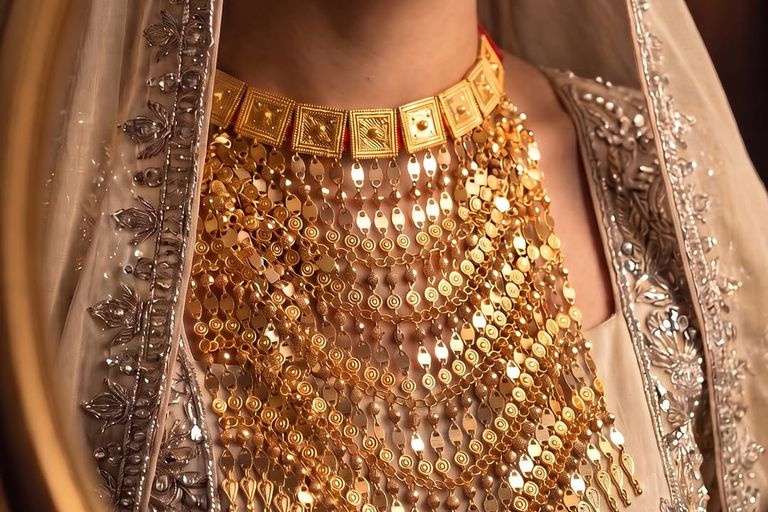
Akook Jewelries, based in the Mall of Oman, offers handcrafted, culturally inspired gold and silver pieces, featuring natural diamonds and pure, certified gemstones, perfect for your wedding.
Liali Jewellery - Oman
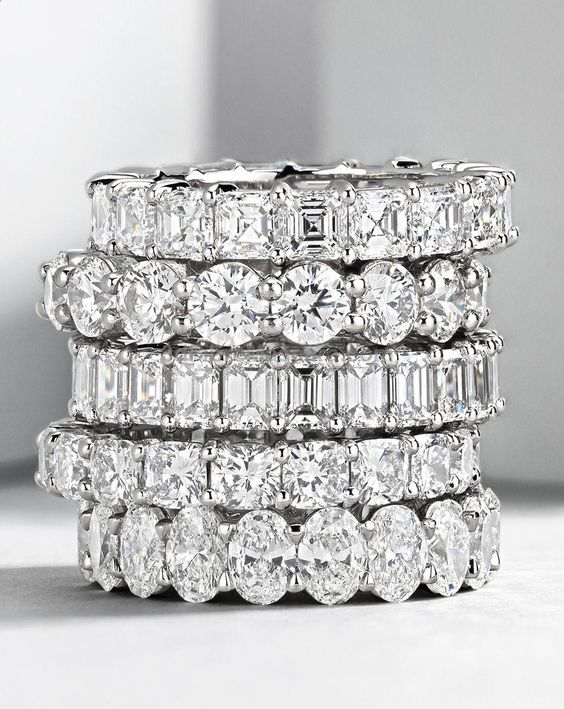
LIALI Jewellery is a Dubai-based jewellery company with a chain of up-market boutiques under the name of LIALI.
Al Yasmeen Jewellers
The Diamond Watch Jewellery Co
Dubai Gold & Diamonds
Gemme Couture
Get offers
Let Oman's jewellery come to you
One request — we take it to the right vendors.
- Free for couples
- Two short steps, then a quick code
- Offers by email and WhatsApp
Tayyab Jewellery
Abu Hussam Jewellers
Beary Designs
JewelBoxOman
Fancy World Jewellery
Deema Collections
Khimji's Watches & Jewellery
Gallery Argan
Mouawad Jewelry & Watches - Muscat
Joyalukkas Jewellery - Muscut
Malabar Gold and Diamonds - Muscat
Jawahir Oman Jewellers
Atlas Jewellery - Muscat
Sky Jewellery - Muscat
Jewel Corner
Al Asala Jewellery
Al Qurum Jewellers
Future Jewellery
Selecting your bridal jewellery is a cornerstone of Omani wedding preparations. The Shabka, traditionally presented by the groom, remains a cherished custom, with 22-karat yellow gold serving as both the cultural and financial standard. Whether you are looking for classic Omani designs or contemporary diamond pieces, the local market offers exceptional craftsmanship.
From the historic alleys of Muttrah Souq to the bustling commercial hub of Ruwi High Street, jewellers provide a vast array of heavy bridal pieces, intricate necklaces, and traditional accessories. Understanding how gold is priced, the negotiation of making charges, and the timelines for custom orders ensures you make confident decisions. This guide helps you navigate the gold markets across the country, allowing you to focus on finding the perfect pieces to complete your bridal vision.
Exploring the Gold Markets
When shopping for bridal jewellery, understanding the distinct character of the main shopping districts is essential to finding the right pieces. Muttrah Souq houses a dedicated Gold Souq area famous for traditional Omani designs and heavy bridal pieces. If you prefer contemporary Middle Eastern or South Asian bridal sets, Ruwi High Street is a major commercial hub heavily concentrated with jewellers specializing in 22-karat gold.
For a bustling local atmosphere, Seeb Souq is highly popular with Omani families purchasing traditional wedding accessories and gold sets. While exploring these districts, you might also want to consult with your wedding planners to ensure your chosen jewellery complements your overall wedding aesthetic and traditional attire.
Traditional Pieces and Modern Trends
The Shabka is overwhelmingly centered around 22-karat yellow gold, valued equally for its striking traditional aesthetic and its role as a solid financial investment. It is a proud display of heritage and family commitment. Brides frequently wear the Banjiri, which are traditional rigid bracelets featuring intricate geometric designs, often worn in multiples and cherished as lifelong keepsakes.
Another classic element is the Mafraq, a traditional headpiece made of gold or silver that adds a regal touch to wedding ceremonies. While yellow gold dominates the main bridal gift, white gold and diamonds are increasingly popular for engagement rings. Coordinating these different metals with your dress requires planning, so it is wise to finalise your jewellery before you visit Fashion boutiques for your final fittings.
Pricing, Timelines, and Custom Orders
Navigating the financial side of the gold market requires a clear understanding of how prices are calculated to ensure you are making a sound investment. The final cost of a piece is determined by multiplying the item's exact weight by the daily international gold rate, then adding a making charge for the craftsmanship involved in creating the detailed patterns.
The daily gold rate is fixed across the market and non-negotiable, but the making charge is highly negotiable. Always expect to haggle over this premium, as it is a standard practice in the trade. If stones are included in a gold piece, ensure the weight of the stones is deducted from the total gold weight pricing.
Purchasing ready-made sets is immediate, though resizing rings or adjusting necklace lengths typically takes 1 to 3 days. If you are ordering bespoke bridal sets or requesting a jeweller to import a specific heavy design, plan for a 3 to 6 weeks lead time. This allows ample time to have your pieces ready before your photo & video team captures your bridal portraits.
Frequently Asked Questions
How early should I purchase my bridal jewellery?
If you are purchasing ready-made pieces, you can buy them close to your wedding date, as resizing rings or adjusting necklaces only takes 1 to 3 days. However, if you want bespoke bridal sets or need a jeweller to import a specific heavy design, you must order 3 to 6 weeks in advance.
What is a making charge?
The making charge is the premium added to the raw gold value of a piece to cover the labor, intricate design work, and the retailer's profit. When calculating the final price of your bridal jewellery, the jeweller multiplies the item's exact weight by the daily international gold rate, and then adds this fee. Because traditional Omani pieces often feature complex craftsmanship, this charge can vary significantly. While the daily gold rate is strictly fixed and non-negotiable across the market, the making charge is highly negotiable. You are fully expected to haggle over this premium before agreeing to a final price.
What should I ask for on my jewellery invoice?
You should always request a detailed, itemised invoice before finalizing your purchase. Ask the jeweller to clearly separate the daily international gold rate, the exact weight of the gold, and the negotiated making charges. If your chosen pieces include any stones, you must explicitly ask if the weight of those stones has been deducted from the total gold weight pricing, ensuring you do not pay gold prices for non-gold materials. Finally, confirm that all items are officially hallmarked to guarantee their 22-karat purity, which protects both the traditional aesthetic and the financial investment of your bridal set.
What is the traditional bridal jewellery in Oman?
The centerpiece of Omani bridal jewellery is the Shabka, a lavish set presented by the groom. This is overwhelmingly crafted from 22-karat yellow gold, valued as both a cultural standard and a financial investment. Brides frequently adorn themselves with Banjiri, which are traditional rigid bracelets featuring intricate geometric designs that are typically worn in multiples. Another iconic element is the Mafraq, a traditional headpiece made of gold or silver that adds a regal touch to the wedding ceremony. While yellow gold dominates the main Shabka, white gold and diamonds are becoming increasingly popular choices for engagement rings.
Can I exchange or upgrade my bridal gold later?
Because 22-karat yellow gold serves as a significant financial investment as well as a bridal adornment, many jewellers in the market offer buy-back or exchange programs. However, these policies vary widely between different boutiques in districts like Muttrah Souq or Ruwi High Street. Always ask about the store's specific policy on upgrading or exchanging your jewellery in the future before making your final purchase. Understanding how they value the raw gold versus the original making charge is crucial. You should settle these financial details well before booking your venues to keep your overall wedding budget completely clear.