
What Are You Wearing on Your Henna Night?
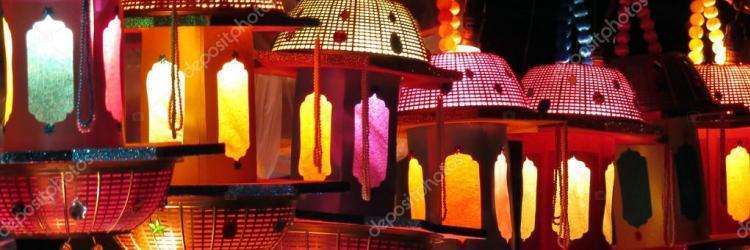
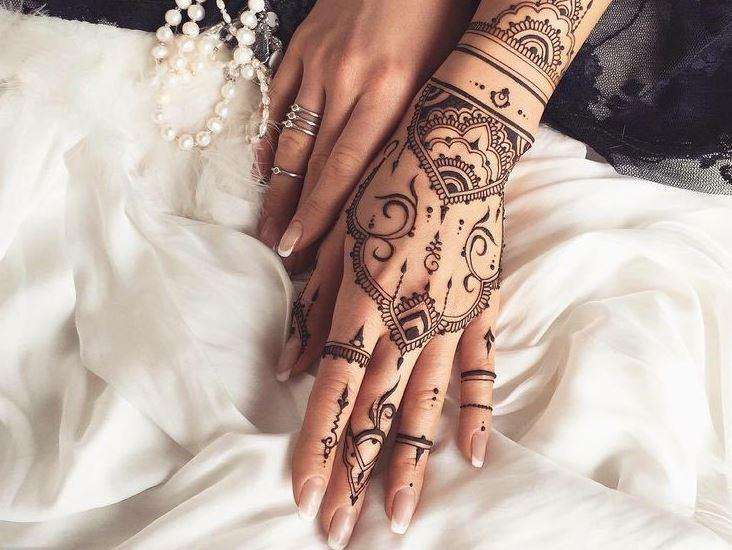
Henna parties are considered to be one of the most important traditions that every Arab bride follows, each country and region have different traditions but the concept is one.
Your henna night has many details to plan and brides are now adopting different ideas and traditions from other countries, such as Indian culture, Moroccan, or Turkish cultures.
So you planned every detail for your henna night; all you have to do now is figure out what to wear. But what are you planning on wearing?
Having a henna night gives you endless options when it comes to outfits, so have some fun with it! Here are a few options for you to consider.
Abayas and Jalabiyas
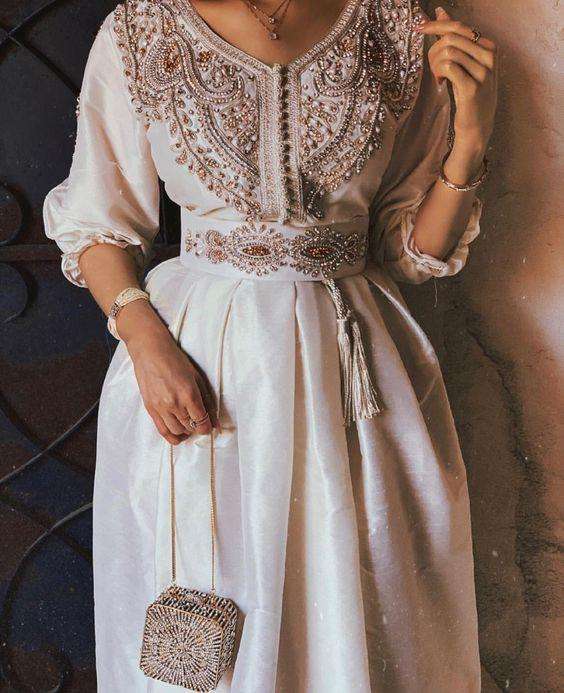
Jalabiyas and abayas are a very popular choice among women during Ramadan and brides to be on their henna night, there are different kinds and styles of abayas and jalabiyas such as Khaliji abayas, or Moroccan jalabiyas.
At henna parties, many brides prefer to wear embroidered abayas or dresses inspired by traditional heritage, as they embody an authentic Arab charm and refined feminine touches. These designs reflect the beauty of cultural identity and add a unique ambiance to the celebration, blending elegance with tradition. The embroidery ranges from classic motifs to intricate hand-stitched patterns, making each piece one-of-a-kind and perfectly suited to the festive spirit of the occasion. Take a look at our interview with fashion designer Hama Hanawi to discover more about the heritage-inspired embroidered dresses she creates!
Ask ChatGPT
Check out: Our Interview with Fashion Designer Hama Hinnawi
Young brides can always go for short abayas which are very stylish as well.
Saris
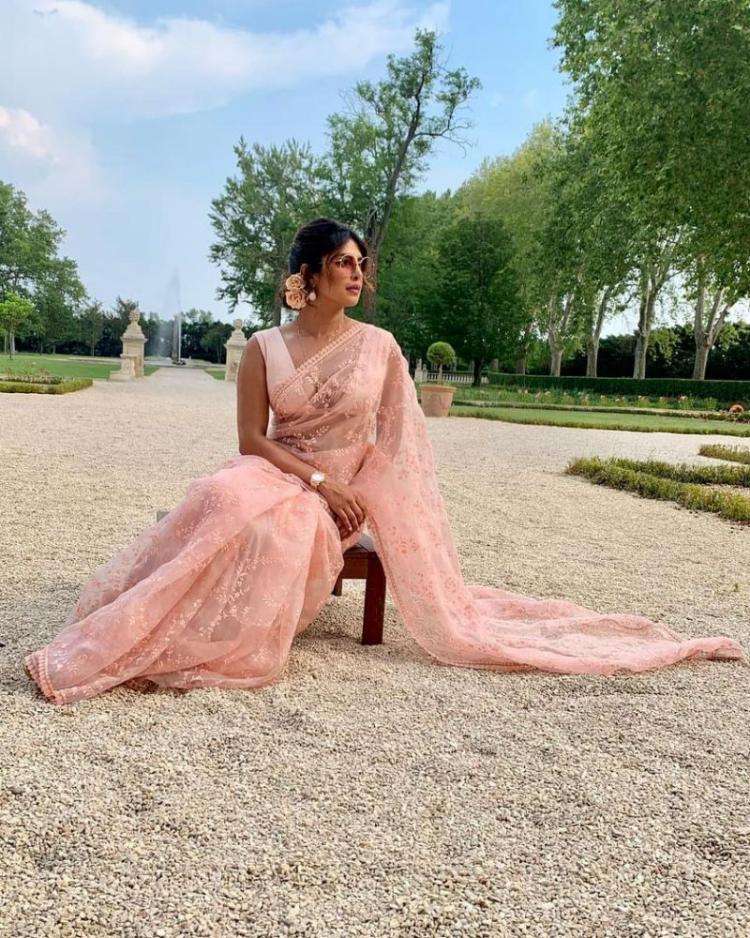
Saris are always fun to wear. If you want to add an Indian theme to your henna night, wearing a traditional Indian sari is great for you, and very colorful too.
Many celebrities looked stunning in Saris in their pre-wedding parties, like Priyanka Chopra and Deepika Padukone.

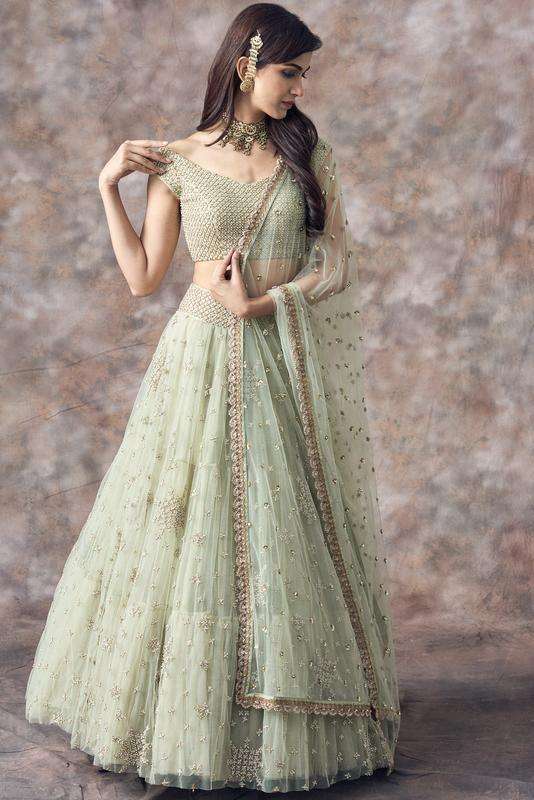
Lengha
Lengha is a traditional Pakistani dress; the blouse is a tightly fitted piece of clothing around the waist. The head and body cover is a sign of humbleness and shyness. Lengha is also considered to be an Indian dress.
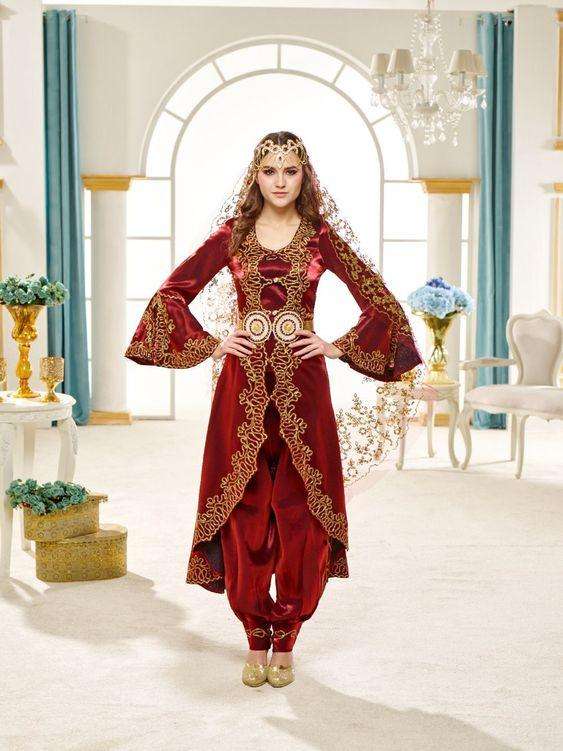
Turkish Traditional Outfits
When it comes to choosing a Turkish outfit for your henna night, you have many options. The first option is The Bindalli, which literally means "with a thousand branches," to emphasize the details of the dress.
The second option is The Salvar, (pronounced shalwar). The salvar is an ankle-length baggy trouser. Similar to what we call harem pants, the salvar is worn with a tunic called Gomlek and a cardigan called Hirka.
The third option is The Kaftan, which is a traditional Turkish gown that has gained popularity among international fashion designers.
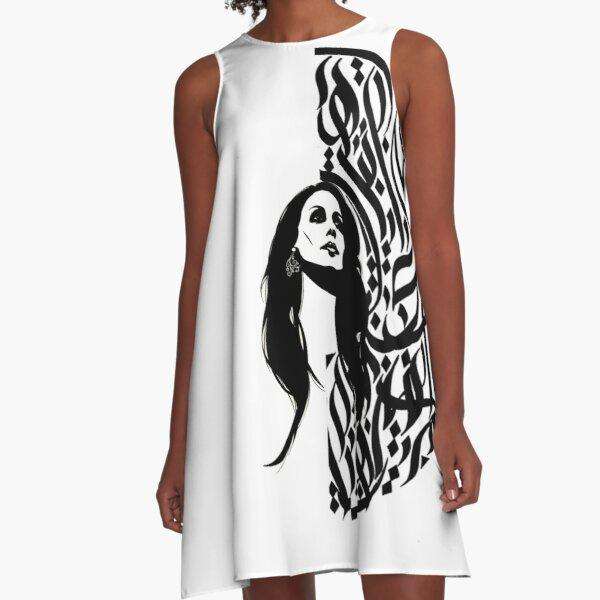
Modern Outfits
Add a twist of modernity to any style of traditional outfit you are planning to wear. Dresses with Arabic calligraphy or oriental designs are always elegant and practical. You can wear them on different occasions and have them in any design you want.
When it comes to henna nights these days, you don't have to limit yourself. Look around and keep an open mind when you shop for your outfit.
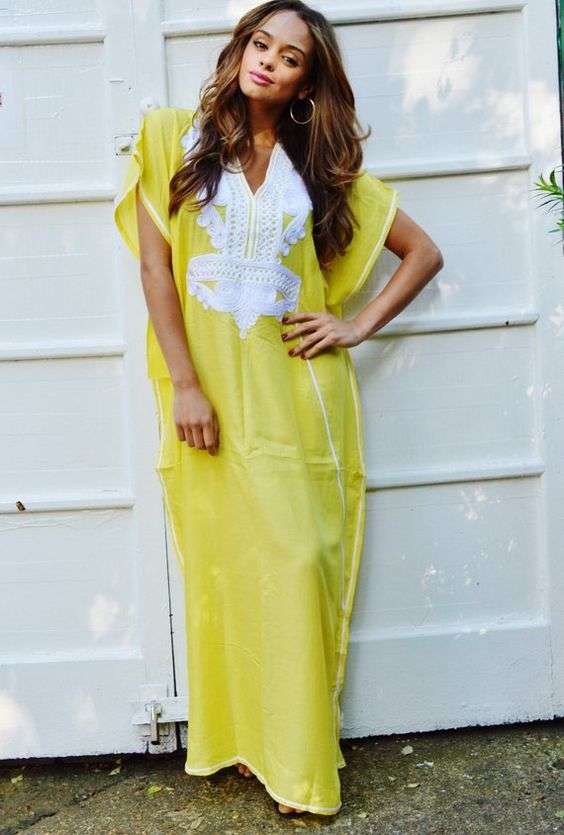
Kaftans
Kaftans are a perfect choice for any occasion they are comfortable and elegant and have a very oriental and Moroccan flare, for more Moroccan kaftans click here!
Kaftans are popular during Ramadan as well, and special occasions such as henna nights and official marriage ceremonies.


Modern Heritage-Inspired Designs
At henna parties, many brides choose to shine in traditional garments that reflect their identity and culture, featuring hand-embroidered details and patterns inspired by heritage. Others opt for more contemporary designs that bring a fresh twist while still embracing the Eastern spirit. Whether fully traditional or infused with modern touches, the goal of a bride’s look on her henna night is to celebrate authenticity in a way that reflects her taste and personality.
At a memorable henna night held in Amman, bride Nour dazzled in a heritage-inspired look with a modern, elegant flair. She wore a traditional dress adorned with intricate embroidery by designer Reema Dahbour, a design that beautifully embodied the richness of Arab identity and cultural legacy. Feminine and luxurious touches added a special charm to her ensemble. Her look was completed with delicate gold accessories and a simple hairstyle, making her appear like a living painting that captured love and tradition in its most graceful form.
See More: Rooted in Heritage, Wrapped in Love: A Henna Celebration in Amman

Meet Yasmine, Your AI Wedding Assistant
Get instant answers to all your wedding planning questions. From venues to vendors, Yasmine is here to help!