
Ramadan Skincare Guide: How to Maintain a Healthy Glow While Fasting

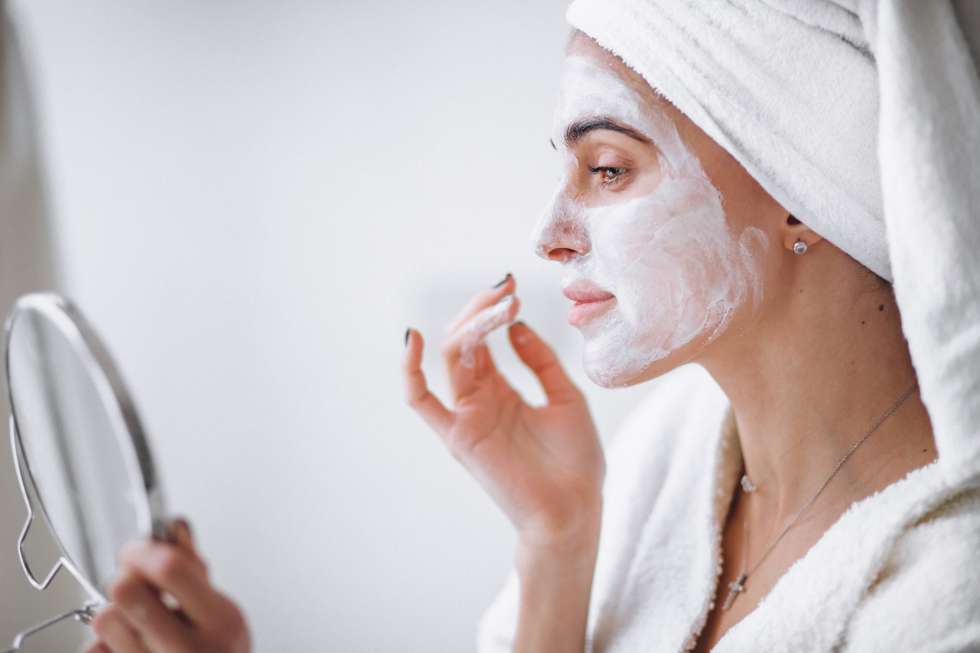
During the holy month of Ramadan, our routine, diet, and food consumption change. But what you need to know is that this sudden change in your dietary habits, combined with a long period of daily fasting, can have a bad effect on your skin.
If you’re planning your wedding shortly after Ramadan, this is the perfect time to start prioritizing your skin and overall well-being. Establishing a dedicated Ramadan skincare routine now can help you maintain a radiant, hydrated complexion in the weeks leading up to your big day.
For perfect and healthy skin, you should consider using all-natural beauty products in your Ramadan skincare routine, or even better, DIY beauty products.
When paired with a balanced diet during Suhoor and Iftar, the right skincare routine can make a noticeable difference in your skin’s texture and appearance.
A proper skincare regime during Ramadan is essential to help prevent breakouts, dry patches, dull-looking skin, and other signs of dehydration that often come with fasting. Taking small, consistent steps throughout the month will ensure your skin stays nourished, refreshed, and wedding-ready.
Here are some helpful tips for the perfect Ramadan skincare:

Your Nutrition
- Fasting dehydrates the skin so it’s very important to make sure that you rehydrate after iftar.
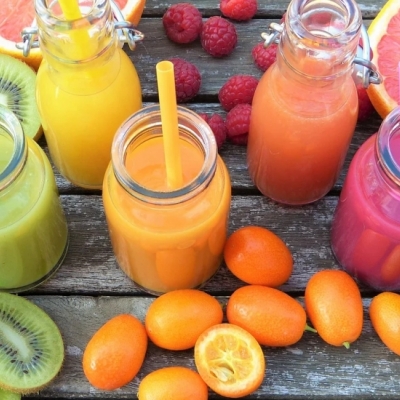
- We recommend that between iftar and suhoor you drink at least eight glasses of water in addition to any other fluids. The human body only absorbs 50% to 60% of fruit juice, and just 20% to 30% of sodas.
- Eat healthily! There are many foods that can repair dehydrated skin, such as cashews or almonds which are packed with healthy fibers, fatty acids, and proteins that will maintain your skin's glow.
- Fruits such as strawberries and blueberries are high in antioxidants, which are known for their positive effect on healthy skin. Dates are also a great source of antioxidants, vitamin A, iron, potassium, calcium, and magnesium that all promote optimum skin health. Apricots (the main ingredient of Qamar El Din) aid in the digestion process.
- Try to eat more nuts or almonds during Ramadan, as they are rich in fibers and fatty acids which help take good care of your skin.
- Make the best out of your fasting by including healthy nutrients in your iftar and suhoor.
- Whether it's soda, coffee, or tea, try to limit your caffeine intake as it absorbs minerals and liquids from your body.
- Drinking green tea for your Suhoor helps hydrate your skin and gives you a fresh breath the next day. Check out: Homemade Green Tea and Grapefruit Tightening Toner
- Have a cup of yogurt daily: Yogurt will help you feel full longer and hydrates your skin.
Treating Your Skin
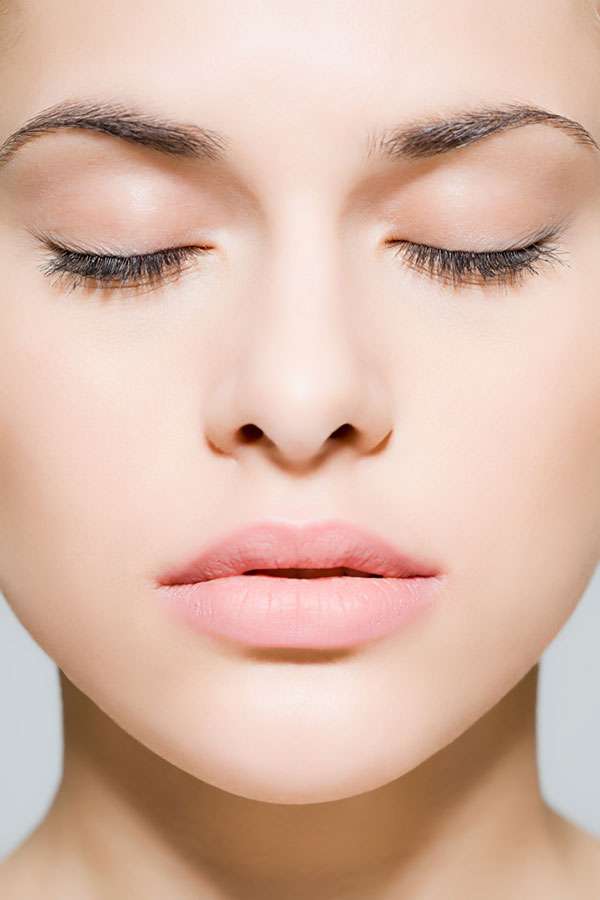
- Clean, tone, exfoliate, and moisturize your skin! The idea is to remove dead skin caused by the lack of water intake, restore the skin’s natural mineral levels, and balance the skin’s oil production.
- During Ramadan, we tend to stay up late, which may cause dark circles to appear beneath the eyes. Try keeping your under-eye area moisturized and treat it with a mask or tea bags twice a week at least.
- Shower with warm water, don’t shower in hot water because it dries your skin faster, instead of the shower in warm water.
- It is recommended to drink at least 8 glasses of water and other fluids between Iftar and Suhoor. Fact: The body absorbs from 50 to 60% of fruit juice and 20 to 30% of soft drinks. Read: 5 Juices For Radiant Skin During Ramadan
- Eat healthy food. There are many foods that moisturize dry skin, such as cashews and almonds that are full of healthy fiber, fatty acids, and proteins that keep your skin glowing. Fruits like strawberries and berries are full of antioxidants. Known to positively affect the health of the skin.
- Dates are also a great source of antioxidants, vitamin A, iron, potassium, calcium, and magnesium that promote healthy skin. Apricots also aid in the digestive process.
- Take advantage of your fasting by eating nutritious foods at the time of suhoor and Iftar.
- Use potatoes for dark circles, we usually stay up late during Ramadan, so it is only natural for dark circles to start showing under our eyes. So apply round slices of potatoes under your eyes for 10-15 minutes daily. Also check: The Best Ways to Hide Dark Circles

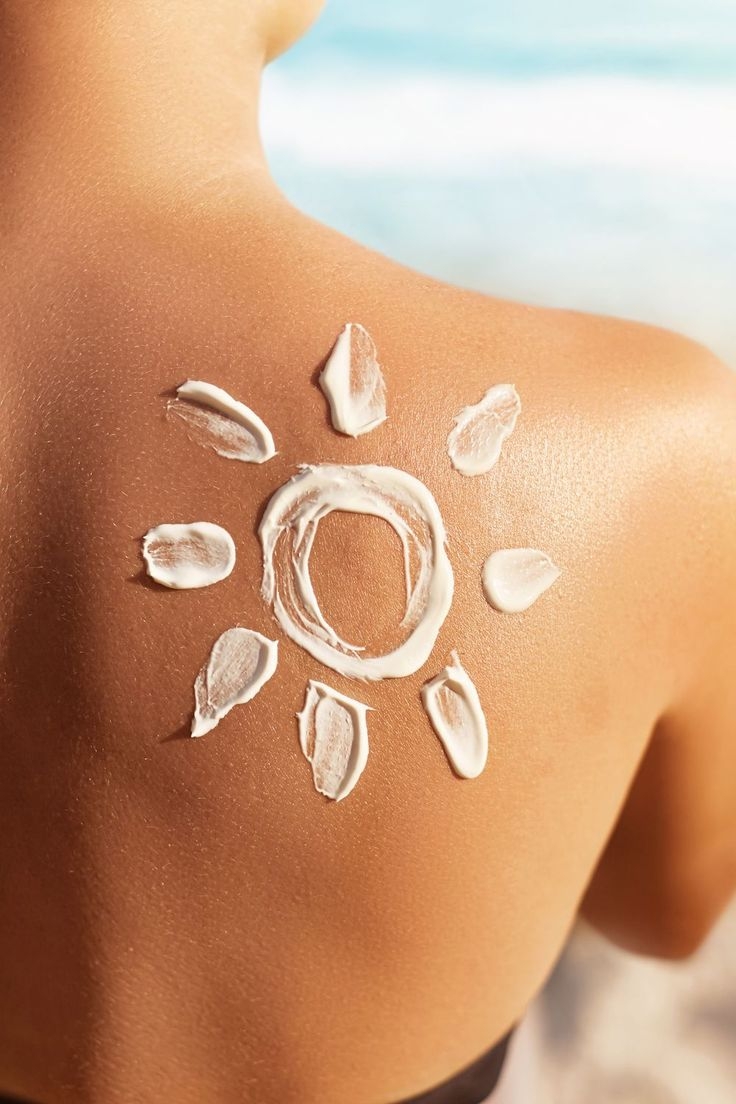
Don't Forget the SPF: Why Sun Protection is Non-Negotiable
Many people believe that because they are fasting and perhaps staying indoors more, they can skip sunscreen. In reality, dehydrated skin is significantly more vulnerable to UV damage.
When your body lacks water, your skin's natural moisture barrier weakens. This makes you more prone to sunspots, fine lines, and "fasting-induced" sensitivity.
- The Tip: Use a broad-spectrum SPF 50+ that includes hydrating ingredients like Aloe Vera or Vitamin E.
- The Latest Trend: Look for "Water-Gel" sunscreens. They provide high protection without the heavy, greasy feeling that can feel uncomfortable while fasting.
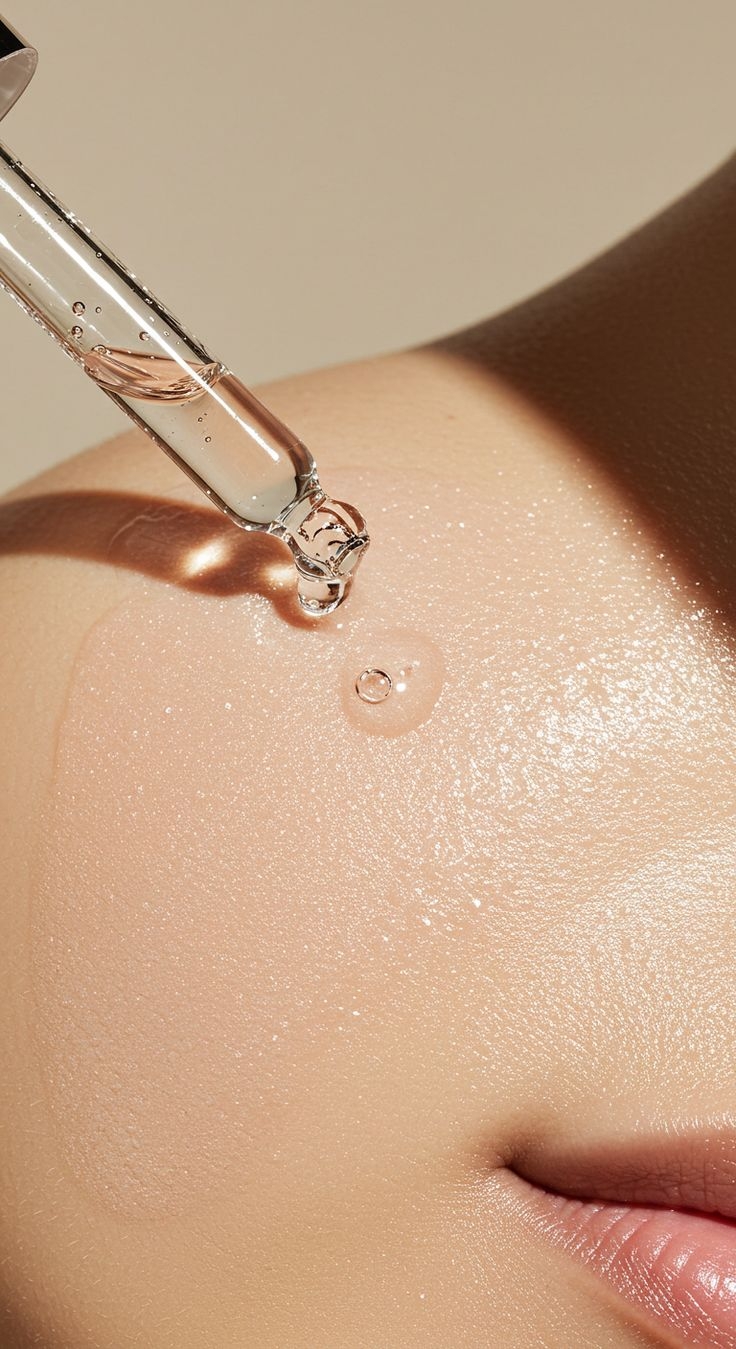
The "Power Trio" of Ingredients for Fasting Skin
While DIY remedies are wonderful, your skin needs high-performance ingredients to compensate for the lack of internal hydration during the day. Focus on these three "holy grail" ingredients:
- Hyaluronic Acid (The Magnet): This molecule can hold 1,000 times its weight in water. Apply it to damp skin immediately after washing your face at Suhoor to "lock in" moisture for the day ahead.
- Vitamin C (The Brightener): Lack of sleep and changes in diet can lead to "Ramadan Dullness." A Vitamin C serum applied after Iftar helps repair skin cells and restores that healthy, bridal glow.
- Ceramides (The Shield): Ceramides are lipids that help form the skin's barrier and retain moisture. Use a ceramide-rich cream at night to prevent "trans-epidermal water loss" while you sleep.
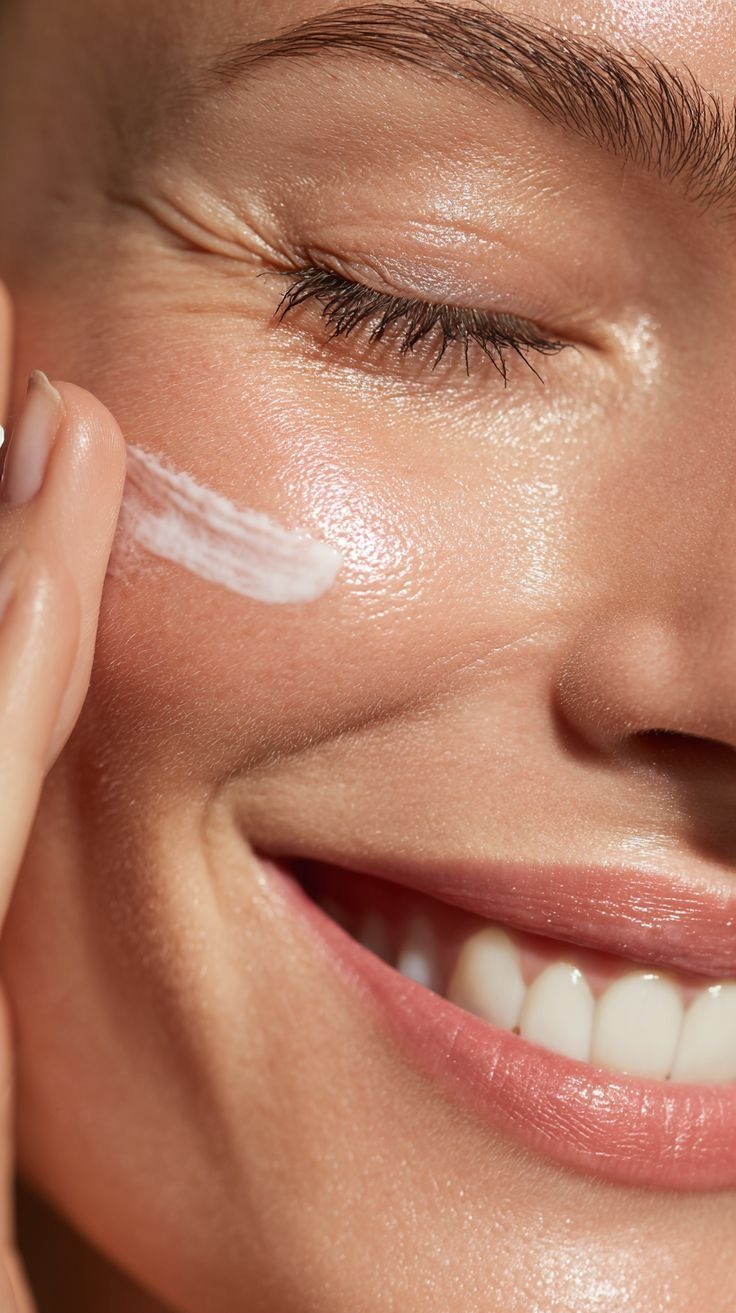
Embrace "Skinimalism": Less is More
During Ramadan, your skin is already under stress from changes in sleep and nutrition. Now is not the time for 10-step routines or aggressive chemical peels.
"Skinimalism"—the trend of using fewer, higher-quality products—is the best approach for the Holy Month.
- Switch to Gentle Cleansers: Avoid "foaming" cleansers that strip away natural oils. Use a creamy or milk-based cleanser instead.
- Pause the Retinol: If your skin feels particularly dry or flaky, consider reducing your use of strong acids or retinols to once or twice a week to avoid irritation.
- Double Cleanse Post-Iftar: If you’ve been wearing makeup for an Iftar gathering, always start with an oil-based cleanser followed by a water-based one to ensure your pores are clear of impurities

Meet Yasmine, Your AI Wedding Assistant
Get instant answers to all your wedding planning questions. From venues to vendors, Yasmine is here to help!
Frequently Asked Questions
Can't find the answer you're looking for? Feel free to contact us.
Can fasting during Ramadan cause acne or breakouts?
Yes, it can. While fasting itself is detoxifying, dehydration can cause the skin to produce excess oil to compensate for the lack of moisture, leading to clogged pores. Additionally, consuming high-sugar or fried foods during Iftar can trigger hormonal spikes. To prevent this, focus on a "double-cleansing" routine after Iftar and stay hydrated with water rather than sugary sodas.
What is the best time to apply skincare during Ramadan?
The two most critical times are Suhoor and Post-Iftar. During Suhoor, focus on "protection and hydration" by applying a hydrating serum, a lightweight moisturizer, and SPF.
Post-Iftar (or before bed) is the time for "repair." Use richer creams, facial oils, or overnight masks containing Ceramides and Hyaluronic Acid to help your skin recover while you sleep.
Also, check out: 9 Amazing DIY Face Masks for Healthy and Glowing Skin
How do I get rid of dark circles caused by late Ramadan nights?
The shift in sleep patterns for Qiyam prayers and Suhoor often leads to puffiness and dark circles. Use eye creams containing caffeine to constrict blood vessels and reduce puffiness, or Vitamin C to brighten the under-eye area.
For a quick DIY fix, apply cold cucumber slices or chilled tea bags for 10 minutes to soothe the delicate skin around the eyes.